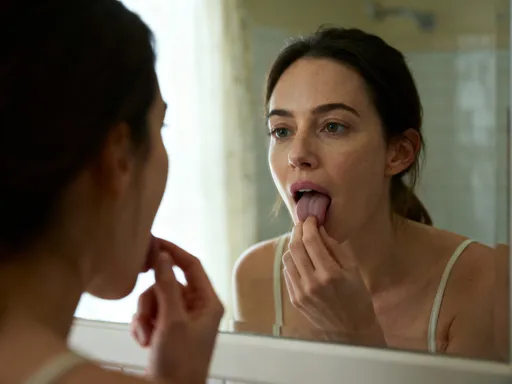
I’ll start tracking my health tomorrow — How daily micro-notes quietly transformed my wellness journey
You’ve said it before: “I’ll start paying attention to my health tomorrow.” We all have. But between work, family, and life’s chaos, that promise often slips away. What if small, effortless habits could quietly build a clearer picture of your well-being? No apps shouting notifications. No overwhelming data. Just simple daily notes that, over time, reveal patterns, prevent issues, and give you back a sense of control — one honest sentence at a time. This isn’t about tracking every calorie or step. It’s about paying gentle attention. It’s about showing up for yourself in a way that feels doable, kind, and deeply personal. And honestly? It changed everything.
The "Tomorrow" Trap: When Good Intentions Keep Getting Postponed
How many times have you stood in the doctor’s office, trying to remember when you last felt truly rested? Or when that low-level headache began? You know you haven’t been quite yourself, but the details blur. You say, “It’s probably nothing,” and push it aside. Sound familiar? That gap between intention and action is where most of us live. We want to be healthier, calmer, more energized — but life keeps happening. The kids need help with homework. Dinner needs to be made. The laundry never ends. And so, “I’ll start tomorrow” becomes a quiet mantra we repeat, week after week.
The truth is, our brains are wired to avoid discomfort — even the discomfort of facing our own well-being. It’s not laziness. It’s self-protection. We tell ourselves we’ll start when things settle down, when the house is quieter, when the kids are older. But that moment rarely comes. And in the meantime, small signals — fatigue, mood shifts, digestion issues — go unnoticed until they become louder, harder to ignore. I used to wait for a crisis before I paid attention. A sleepless night turned into weeks of exhaustion. A minor ache became chronic. And each time, I’d think, “If only I’d noticed sooner.”
What I didn’t realize then was that noticing doesn’t have to be dramatic. It doesn’t require a full overhaul or a 30-day cleanse. It starts with a whisper — a tiny moment of awareness. And that whisper can be as simple as writing down one thing you noticed about your body today. No pressure. No judgment. Just a sentence. “I felt tired after lunch.” “My shoulders were tight all afternoon.” That’s it. No apps. No charts. Just you, paying attention. And when you do that consistently, something shifts. You stop waiting for tomorrow. Because today becomes the place where care begins.
Small Notes, Big Clarity: The Power of Micro-Tracking
When we think of health tracking, we often imagine apps with graphs, wearables with heart rate zones, or journals filled with checkboxes. But what if the most powerful tool isn’t high-tech at all? What if it’s just a notebook and a pen? Or a blank note on your phone? Micro-tracking is about capturing small, honest observations — not every detail, but the ones that matter. It’s not about perfection. It’s about presence.
I started with one sentence a day. Just one. “Drank too much coffee, felt jittery.” “Skipped lunch, headache by 3 PM.” At first, it felt silly. Was this really going to help? But within a week, I began to see patterns. I noticed that on days I walked after dinner, I slept better. On days I skipped water, my energy dipped by mid-afternoon. These weren’t breakthroughs — they were reminders. My body had been telling me these things all along. I just hadn’t been listening.
The beauty of micro-tracking is that it builds trust. Not in an app, not in a trend, but in yourself. Over time, you learn what your normal feels like. You start to notice when something is off — not because you’re anxious, but because you’re aware. And that awareness is power. It’s the difference between guessing and knowing. Between reacting and responding. One of my favorite entries from early on was, “Felt calm all morning — maybe because I didn’t check my phone right away?” That tiny note sparked a change. I started delaying screen time, and my mornings got quieter, kinder. All because I wrote down one observation.
You don’t need to track everything. In fact, trying to track too much can backfire. It becomes another chore, another source of guilt. The goal isn’t data overload — it’s clarity. One sentence a day is enough. It’s sustainable. It’s gentle. And over time, it becomes a mirror — reflecting back not just symptoms, but insights. You begin to see yourself more clearly. And that’s where real change begins.
From Chaos to Calm: How Daily Entries Quiet Health Anxiety
Health anxiety thrives in uncertainty. When we don’t know what’s normal, every little ache or shift in energy can feel like a warning sign. We google symptoms, spiral into worst-case scenarios, and end up more stressed than we started. I used to do this — lying awake at night, convinced a stiff neck meant something serious. But what if, instead of guessing, you had a record? What if you could look back and say, “Last time I felt this way, it passed in two days after I rested”?
That’s what daily logging does. It brings light to the shadows. When you track consistently, you see patterns over time. A headache isn’t a crisis — it’s part of a cycle. You notice it happens after late nights or skipped meals. You see that it resolves when you hydrate or take a walk. And suddenly, it’s not scary. It’s information. One woman I spoke with told me, “I used to panic when my heart raced. Then I looked back at my notes and realized it only happened when I drank energy drinks. I stopped, and it never came back.” That’s the power of seeing your own story unfold.
Tracking doesn’t eliminate symptoms — but it reduces fear. It replaces guesswork with awareness. And that makes a huge difference in how we show up for doctor visits. Instead of saying, “I don’t know, I just feel off,” you can say, “For the past three weeks, I’ve noticed fatigue between 2 and 4 PM, especially after eating carbs.” That kind of detail helps your doctor help you — and it makes you feel heard, seen, and in control.
It also changes how you relate to yourself. Instead of being at war with your body, you start a conversation. You ask, “What do you need?” instead of “Why are you failing me?” That shift — from judgment to curiosity — is healing in itself. And the more you write, the calmer you become. Because you’re not facing the unknown. You’re living with awareness. And awareness is the quietest form of courage.
Tech That Stays in the Background: Tools That Serve, Not Demand
Not all technology helps. Some apps nag you with reminders, flood you with data, or vanish after a software update. I’ve tried them — the ones that track sleep, steps, water, mood, and more. And after a few days, I’d feel overwhelmed. The app wasn’t helping me — it was bossing me around. I wanted simplicity, not noise. So I stepped back and asked, “What tools actually serve me — without taking over?”
What I found was this: the best tools are the ones you barely notice. A simple note app on your phone. A voice memo while you’re washing dishes. A sticky note on the bathroom mirror. These aren’t flashy, but they work. They fit into your life instead of disrupting it. I started using my phone’s notes app — no special formatting, no categories. Just a new entry each night before bed. “Today: slept well, felt anxious at work, drank 3 glasses of water.” That’s it. No pressure to fill in boxes. No graphs. Just words.
Some people prefer voice notes. One friend records a 30-second summary while brushing her teeth. “Today I felt tired, but the walk helped. Ate too much sugar. Need more sleep.” She listens back once a week. Another uses her calendar — adding a one-line note to each day’s event. “Meeting at 10 — felt foggy.” It’s not about the tool. It’s about making it easy. The lower the barrier, the more likely you are to keep going.
The key is invisibility. The system should feel like part of your routine, not an extra task. If you already check your phone at night, add a note. If you journal occasionally, add one health observation. If you talk to yourself in the car, voice memo it. The goal isn’t to create a perfect record — it’s to create a habit of noticing. And when the tool disappears into your day, that’s when it becomes sustainable. Technology should support you, not steal your attention. And when it does, it becomes a quiet ally — not a demand.
The Family Ripple Effect: How Your Tracking Inspires Others
Change doesn’t happen in isolation. When you start paying attention to your own well-being, it quietly influences those around you. I didn’t expect this — but it happened. My daughter noticed me writing in my notes app and asked, “What are you writing?” I said, “Just how I’m feeling today.” A few days later, she started her own note: “Today I felt happy at recess.” Then my husband said, “You’ve been sleeping better — what changed?” I told him about walking after dinner. Now he does it too.
It wasn’t a campaign. It wasn’t a lecture. It was just me, showing up differently. And that small shift sparked curiosity. Kids especially are observant. When they see you pausing to notice your energy, they start noticing their own. “I feel tired — maybe I need a snack?” “I felt calm after coloring.” These are tiny moments, but they’re powerful. They teach emotional and physical awareness — not through instruction, but through example.
One mom shared that after she started tracking her stress, her son began saying, “Mom, you sound stressed. Do you need a break?” That broke her heart — in the best way. She hadn’t realized how much she was carrying. But because she was paying attention, he was too. And now they have a new routine — a five-minute walk together after school. No rules. No pressure. Just connection.
This isn’t about fixing anyone. It’s about modeling care. When you treat your well-being as important, others begin to see it that way too. Meals become more mindful. Bedtimes get respected. Conversations shift from “I’m exhausted” to “What helps you feel better?” It’s not about perfection — it’s about presence. And when one person starts noticing, it creates space for everyone to do the same. Self-care becomes family care — not because you planned it, but because you lived it.
Building Wisdom, Not Just Data: Turning Notes into Insight
After a few weeks of writing, something shifts. You’re no longer just collecting notes — you’re gathering wisdom. Patterns start to emerge. You might see that your best moods follow days with movement. Or that bloating happens after certain meals. Or that your energy crashes when you skip breakfast. These aren’t revelations from a lab test — they’re insights from your own life.
The key is to review without pressure. I do a quick scan once a month. I don’t analyze every entry — I just look for themes. “What stood out this month?” “When did I feel my best?” “What seemed to drain me?” One month, I noticed that on weekends when I slept in, I actually felt more tired. That surprised me. I always thought sleeping late was restful. But the data said otherwise. So I adjusted — now I aim for consistent wake times, even on weekends. And my energy improved.
Another month, I saw a link between conflict at work and stomach issues. I hadn’t made that connection before. But seeing it in writing helped me take it seriously. I started scheduling short walks during tense days — and the symptoms eased. This isn’t about blaming yourself or finding flaws. It’s about learning. Your body is giving you feedback — and your notes help you hear it.
You don’t need to do this perfectly. Some days you’ll forget. Some entries will be vague. That’s okay. The point isn’t to build a flawless record — it’s to build self-knowledge. And that knowledge becomes a guide. It helps you make choices that honor how you actually feel, not how you think you should feel. Over time, you become your own expert. You don’t need to chase the latest trend — you already know what works for you. And that’s a kind of freedom that no app can give you.
The Quiet Confidence of Knowing: How Small Habits Build Lasting Peace
At the end of the day, this isn’t about fixing yourself. It’s about knowing yourself. The daily note isn’t a task — it’s a conversation. A quiet moment where you say, “I see you. I’m listening.” And over time, that builds something rare and beautiful: self-trust. You stop doubting your body. You stop second-guessing your needs. You begin to respond with kindness, not criticism.
I used to think wellness was something I had to earn — through discipline, effort, or sacrifice. But what I’ve learned is that it’s something I can choose, one small moment at a time. It’s in the sentence I write before bed. It’s in the pause before I reach for coffee. It’s in the decision to rest when I’m tired, not because I “should,” but because I know I need it.
That’s the quiet confidence that comes from tracking — not the loud, performative kind, but the deep, steady kind. The kind that says, “I know my patterns. I honor my limits. I care for myself, even when no one is watching.” It’s not about being perfect. It’s about being present. And that presence changes everything.
You don’t need to do more. You don’t need to buy anything. You don’t need to wait for tomorrow. You just need to notice. Write one sentence today. Then one tomorrow. Let the pattern find you. Let the insight come. And let that small habit become the quiet foundation of a calmer, clearer, more connected life. Because you’re worth the attention. And your story — written one honest line at a time — is already unfolding.