How Simple Daily Moves Transformed My Recovery Journey
Recovery isn’t always about big fixes—sometimes, it’s the small, consistent steps that make the real difference. After my injury, I felt stuck, but gentle daily training slowly rebuilt my strength and confidence. This isn’t a miracle cure, but a real, gradual path to feeling better. If you’re healing, you’re not alone—and even tiny efforts can spark major progress. Many people assume recovery means waiting for pain to fade or relying solely on medical treatments. But true healing often begins with movement—careful, intentional, and repeated over time. This journey isn’t reserved for athletes or the young; it’s accessible to anyone willing to listen to their body and take one small step at a time.
The Breaking Point: When I Realized I Needed Change
There was a morning when I couldn’t bend down to tie my shoe without sharp pain shooting through my lower back. That simple act—something I had done without thought for decades—had become impossible. It wasn’t the first time I’d felt discomfort since the injury, but it was the moment I realized I could no longer wait for healing to happen on its own. I had spent months resting, avoiding movement, and hoping my body would simply recover. Instead, I felt weaker, stiffer, and increasingly frustrated. The emotional toll was just as heavy as the physical one. I began to feel dependent on others for small tasks, and that loss of independence chipped away at my sense of self.
What changed was not a sudden breakthrough, but a quiet decision: I would stop waiting and start participating in my recovery. This shift didn’t come from dramatic inspiration, but from recognizing that my current path wasn’t working. I wasn’t getting better—I was just maintaining a state of limitation. That awareness sparked a new mindset. Instead of viewing movement as a threat, I began to see it as a tool. I understood that healing wasn’t passive; it required engagement, patience, and a willingness to start small. This mental shift was as important as any physical exercise I would later adopt.
For many women in their 30s to 55s, this experience is familiar. Whether recovering from surgery, managing chronic pain, or healing after an accident, the desire to return to normal life is strong. But the fear of making things worse often leads to overprotection and inactivity. The truth is, the body is designed to adapt and heal, but it needs the right kind of stimulus. Avoiding movement may feel safe in the short term, but it can lead to muscle atrophy, joint stiffness, and decreased confidence in one’s own body. The breaking point—the moment of frustration or limitation—can become the starting point for real progress.
What Is Rehabilitation Training—and Why It’s Not Just for Athletes
Rehabilitation training is the process of restoring movement, strength, and function after an injury or period of inactivity. It’s not about intense workouts or pushing through pain; it’s about retraining the body to move safely and efficiently. At its core, rehab training focuses on neuromuscular re-education—the brain’s ability to reconnect with muscles that may have become inactive or inefficient due to injury. This reconnection is essential for regaining control, coordination, and stability. Unlike general fitness, which often emphasizes performance, rehab training prioritizes quality of movement over quantity.
Many people assume this type of training is only for athletes recovering from sports injuries, but that’s a misconception. In reality, rehabilitation principles benefit anyone experiencing physical limitations. Office workers who sit for long hours develop postural imbalances that lead to neck and back pain. Older adults may lose balance and flexibility, increasing their risk of falls. Even routine life events—like pregnancy, caregiving, or aging—can strain the body in ways that require mindful recovery. Rehab training offers a structured, science-based approach to address these challenges, regardless of fitness level or age.
The science behind rehabilitation is grounded in tissue adaptation. When muscles, tendons, and ligaments are injured, they need controlled, progressive loading to heal properly. Too little stress leads to weakness; too much causes re-injury. Rehab training finds the middle ground—applying just enough stimulus to encourage healing without overwhelming the system. This principle applies to everything from a sprained ankle to chronic lower back pain. Studies have shown that early, guided movement leads to faster recovery times and better long-term outcomes compared to prolonged rest. The body thrives on movement, and rehab training provides the roadmap to move safely and effectively.
My 3 Core Principles for Effective, Sustainable Recovery Work
The first principle that guided my recovery was consistency over intensity. I learned that showing up every day for a few minutes of gentle exercise was far more effective than occasional, intense sessions. The body responds to repetition, not punishment. When I first started, I could only do five minutes of movement without discomfort. But by doing those five minutes daily, I gradually built endurance and strength. Intensity came later, and only when my body signaled readiness. This approach removed the pressure to ‘push through’ and replaced it with a sustainable rhythm that honored my current abilities.
The second principle was cultivating a strong mind-body connection. Instead of focusing on how many repetitions I could complete or how much resistance I could use, I paid attention to form, breath, and sensation. I slowed down my movements, concentrated on muscle activation, and avoided rushing. This mindfulness transformed exercise from a chore into a practice of self-awareness. I began to notice subtle changes—how my pelvis aligned when I stood, how my shoulders relaxed when I breathed deeply. These small observations became powerful tools for improvement. Research supports this approach, showing that mindful movement enhances motor control and reduces pain perception.
The third principle was learning to listen to pain signals. I had to distinguish between discomfort—a normal part of rebuilding strength—and danger, which signals potential harm. Discomfort might feel like mild soreness or fatigue, while danger presents as sharp, shooting, or worsening pain. I committed to stopping any movement that triggered danger signals, even if it meant modifying or skipping an exercise. This wasn’t a sign of failure; it was an act of wisdom. Over time, I developed greater body awareness and learned to adjust my routine based on daily fluctuations in energy and mobility. This self-regulation became a cornerstone of my recovery and long-term well-being.
The Daily Routine That Actually Helped Me Move Freely Again
My recovery routine was built around three simple sessions throughout the day, each designed to support mobility, activation, and restoration. In the morning, I began with five to ten minutes of gentle joint mobility. Seated on the edge of my bed, I performed slow shoulder rolls, neck circles, and ankle rotations. I paired these movements with deep diaphragmatic breathing to signal calm to my nervous system. This practice helped reduce morning stiffness and set a mindful tone for the day. I found that starting with small, accessible movements made it easier to stay consistent, even on days when motivation was low.
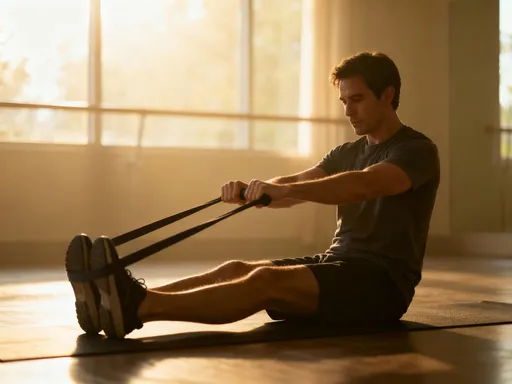
During midday, especially after long periods of sitting, I incorporated seated stretches and posture resets. At my desk, I would pause every hour to perform chin tucks, scapular squeezes, and gentle side bends. These micro-movements countered the effects of slouching and screen-focused work. I also used a resistance band to activate my glutes and upper back muscles, which tend to weaken from inactivity. These brief exercises required no special equipment and could be done in regular clothes. Over time, I noticed improved posture, reduced neck tension, and greater energy throughout the afternoon.
In the evening, I dedicated 15–20 minutes to light resistance and balance work. Lying on a mat, I performed clamshells, bridges, and bird-dogs using only body weight or a resistance band. I also practiced standing on one leg while brushing my teeth—a simple way to integrate balance training into daily life. These exercises strengthened stabilizing muscles often neglected in everyday movement. I avoided high-impact or complex movements, focusing instead on control and precision. The routine required minimal space and equipment: a chair, a band, and a clear floor area. This accessibility made it sustainable, even during busy or stressful weeks.
Common Mistakes That Slow Down Progress (And How to Avoid Them)
One of the most common errors in recovery is skipping warm-ups or rushing into advanced exercises too soon. Early in my journey, I tried to jump into a full stretching routine without preparing my body, which led to increased soreness and setbacks. I learned that warming up—even with five minutes of gentle movement—prepares the muscles and joints for activity and reduces injury risk. A proper warm-up increases blood flow, enhances tissue elasticity, and primes the nervous system for coordination. It doesn’t need to be elaborate; simply marching in place or performing slow arm swings can be effective.
Another frequent mistake is overestimating recovery speed. Many people expect rapid improvement and become discouraged when progress is slow. Healing is not linear; some days bring gains, while others feel like steps backward. I had to let go of timelines and embrace patience. Rest days are not failures—they are essential for tissue repair and adaptation. Pushing too hard too soon can lead to flare-ups and prolonged recovery. Instead of measuring progress by speed, I began to celebrate small victories: standing taller, walking farther, or moving with less hesitation.
Perhaps the most subtle but damaging mistake is comparing one’s progress to others. Social media often shows dramatic transformations, but these images rarely reflect the full story. Everyone’s body, injury history, and healing capacity are different. I found that comparing myself to others only fueled frustration and self-doubt. Instead, I focused on my own journey, tracking improvements in how I felt rather than how I looked. Keeping a simple journal helped me recognize patterns and stay motivated. By honoring my personal pace, I built confidence and avoided the discouragement that comes from unrealistic expectations.
The Bigger Picture: How Rehab Training Boosts Overall Health
As my physical strength improved, I noticed unexpected benefits in other areas of my health. One of the most significant was better posture, which reduced chronic neck and shoulder tension. By strengthening my core and upper back muscles, I was able to sit and stand with less strain. This not only eased discomfort but also improved my breathing and energy levels. Poor posture compresses internal organs and restricts lung capacity, so standing taller had a direct impact on how I felt each day. These changes were subtle at first, but over time, they contributed to a greater sense of vitality.
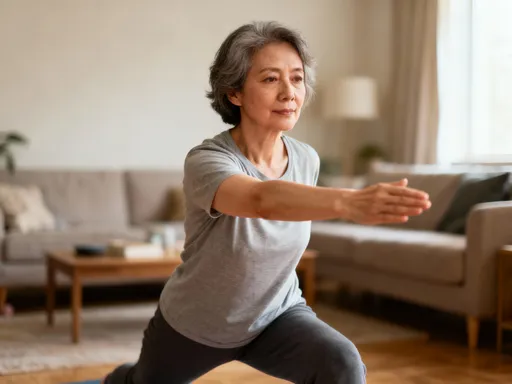
Another major benefit was improved balance. As I incorporated single-leg stands and controlled weight shifts into my routine, my stability increased. This wasn’t just about preventing falls—it enhanced my confidence in everyday activities, from climbing stairs to carrying groceries. For women over 40, maintaining balance is crucial for long-term independence. Research shows that balance training reduces fall risk and supports joint health, making it a vital part of healthy aging. I no longer felt unsteady or fearful of losing my footing; instead, I moved with greater assurance.
Perhaps the most surprising outcome was the positive impact on my mental and emotional well-being. As my body grew stronger, so did my resilience. The daily practice of showing up, listening to my body, and honoring its needs built a sense of self-trust. I became more patient, less reactive to stress, and more present in my life. Physical progress and emotional strength are deeply connected—each small win in movement reinforced my belief that I could overcome challenges. This holistic improvement reminded me that rehabilitation is not just about fixing a problem; it’s about building a healthier, more empowered life.
Making It Stick: Building a Lifestyle Around Gentle Movement
Sustainability was my biggest concern—how could I keep this routine going long-term? The answer was integration. I paired my rehab exercises with existing habits, such as doing shoulder rolls after brushing my teeth or practicing balance while waiting for the kettle to boil. These ‘habit stacking’ techniques made movement feel natural rather than burdensome. I also created a dedicated space in my living room with a mat, band, and chair, so everything was ready when I needed it. Visual cues and convenience reduced the mental effort required to start.
Tracking small wins played a key role in maintaining motivation. Instead of focusing on distant goals, I celebrated daily improvements: completing a full set without pain, noticing smoother movement, or receiving a compliment on my posture. I kept a simple notebook where I recorded these moments, which helped me see progress over time. This approach removed pressure and fostered gratitude for what my body could do, rather than frustration over limitations. Motivation fluctuates, but consistency grows from routine and recognition of effort.
Finally, I recognized that recovery is not a solo journey. While I could do much on my own, there were times when professional guidance was essential. I consulted a physical therapist to assess my movement patterns, refine my technique, and adjust my program as I progressed. This collaboration ensured that my routine remained safe and effective. Seeking help wasn’t a sign of weakness—it was a smart, responsible choice. Whether through a therapist, trusted healthcare provider, or supportive community, having a team made the journey more sustainable and successful.
Rehabilitation training isn’t just about fixing an injury—it’s about reclaiming your body and building long-term health. Small, mindful actions add up to real transformation. Progress may be slow, but it’s steady. With patience, awareness, and consistency, recovery becomes not just possible, but empowering. Every movement, no matter how small, is a step toward greater strength, independence, and well-being. Always consult a healthcare provider to guide your unique journey.