Fatty Liver Fix: How Smart Food Pairings Turn Science into Results
Living with a fatty liver used to worry me—until I learned how everyday food combinations can actually shift the needle. It’s not about extreme diets, but synergy: pairing what you eat to support your liver’s natural repair. Backed by science and real changes I’ve seen, this isn’t a cure, but a sustainable way to take control. Always consult your doctor, but let food be your first line of defense. The liver is the body’s quiet powerhouse—filtering toxins, managing metabolism, and storing energy—yet millions unknowingly compromise its health through routine choices. The good news? Small, informed shifts in how we combine foods can activate its healing potential, starting today.
The Silent Epidemic: Understanding Fatty Liver in Everyday Life
Non-alcoholic fatty liver disease (NAFLD) is a condition where excess fat accumulates in the liver, not due to heavy alcohol use. It affects an estimated 25% of adults globally, making it one of the most common chronic liver conditions in the world. Despite its prevalence, many people remain unaware they have it. This is because NAFLD often causes no noticeable symptoms in its early stages. There’s no pain, no warning signal—just a gradual buildup of fat that, over time, can lead to inflammation, scarring (known as fibrosis), and even cirrhosis if left unchecked.
The rise of NAFLD is closely tied to modern lifestyle patterns. Diets high in refined carbohydrates, added sugars, and processed fats, combined with low physical activity, contribute significantly to its development. It is also strongly linked to metabolic syndrome—a cluster of conditions including high blood pressure, elevated blood sugar, excess abdominal fat, and abnormal cholesterol levels. Insulin resistance, where the body’s cells don’t respond properly to insulin, plays a central role in driving fat storage in the liver. As insulin levels remain high, the liver converts more glucose into fat, which then accumulates.
What makes NAFLD particularly concerning is its silent progression. Many individuals only discover they have it during routine blood tests that show elevated liver enzymes, such as ALT and AST. Imaging tests like ultrasounds or FibroScans may then confirm fat buildup. By that point, the liver may already be under stress. Yet, this condition is not a life sentence. The liver is uniquely resilient and capable of regeneration. With early intervention, the damage can often be reversed through lifestyle changes—especially diet and physical activity.
Medical guidance is essential in managing NAFLD. A healthcare provider can assess liver function, rule out other causes, and recommend appropriate testing. While medication may be needed in advanced cases, most early-stage patients benefit most from non-pharmaceutical approaches. This is where informed, daily choices become powerful. The foods you eat, how you combine them, and when you eat them all influence liver health. Rather than viewing NAFLD as a medical failure, it’s more accurate to see it as a signal—an opportunity to reset habits before more serious complications arise.
Why Your Plate Matters More Than You Think
Most people think of diet in terms of individual foods: oatmeal is healthy, sugar is bad, fish is good for the heart. But emerging research shows that what truly matters is not just what you eat, but how you combine it. This concept, known as dietary synergy, suggests that nutrients work more effectively together than in isolation. For the liver, this means that pairing certain foods can enhance detoxification, reduce fat accumulation, and lower inflammation more effectively than eating those foods alone.
Take antioxidants, for example. Compounds like vitamin C, polyphenols, and carotenoids help neutralize free radicals—unstable molecules that can damage liver cells. But many of these antioxidants are fat-soluble, meaning they need dietary fat to be properly absorbed. When you eat a salad rich in leafy greens and bell peppers but skip the healthy fat, you may only absorb a fraction of their protective benefits. Adding a drizzle of olive oil or a handful of nuts significantly boosts nutrient uptake. This simple pairing transforms a good meal into a more powerful liver-supportive one.
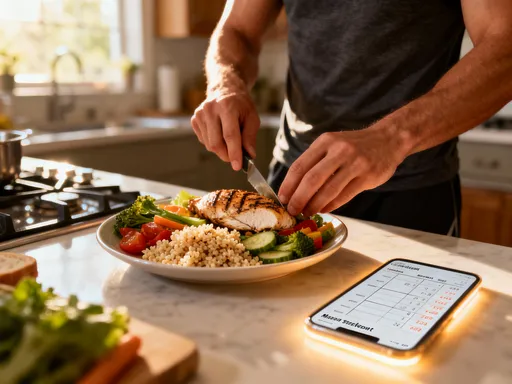
Another example is the interaction between fiber and protein. Soluble fiber, found in oats, legumes, and certain fruits, slows down digestion and helps stabilize blood sugar. When paired with lean protein—such as chicken, tofu, or beans—the effect is amplified. The combination reduces insulin spikes, which in turn lowers the liver’s need to produce and store fat. This is crucial for people with insulin resistance, a common driver of fatty liver. Meals that balance these elements keep energy levels steady and reduce metabolic stress on the liver.
Food also sends biochemical signals to the body. Every bite influences hormone levels, enzyme activity, and gene expression. A meal high in refined flour and sugar signals inflammation and fat storage. In contrast, a meal rich in whole grains, vegetables, and healthy fats signals repair and balance. The liver responds to these messages in real time. Over weeks and months, consistent positive signaling can shift the organ’s function from fat accumulation to fat burning. This is why long-term dietary patterns matter far more than occasional “healthy” meals. It’s not about perfection—it’s about repetition of beneficial combinations.
The Science of Liver Repair: What Actually Works
The liver is one of the few organs in the human body capable of regenerating itself. Even if up to 70% of its tissue is damaged, it can rebuild functional cells given the right conditions. This remarkable ability makes early intervention in fatty liver disease so impactful. But regeneration doesn’t happen automatically. It requires a supportive internal environment—one free from constant stressors like high blood sugar, oxidative damage, and chronic inflammation.
At the cellular level, the liver processes everything from nutrients to medications to environmental toxins. It converts food into energy, stores glycogen, synthesizes proteins, and breaks down hormones. When overwhelmed—especially by excess glucose and fructose—it begins converting those sugars into fat. This process, called de novo lipogenesis, is normal in small amounts but becomes problematic when it’s constantly activated. Over time, fat droplets build up inside liver cells, leading to steatosis, the hallmark of NAFLD.
Insulin resistance is a key accelerator of this process. When cells become less responsive to insulin, the pancreas produces more of it to compensate. High insulin levels promote fat storage and inhibit fat breakdown. In the liver, this creates a cycle: more fat is stored, less is burned, and inflammation increases. This sets the stage for non-alcoholic steatohepatitis (NASH), a more severe form of fatty liver that includes liver cell damage and inflammation.
The good news is that this cycle can be interrupted. Clinical studies have shown that reducing intake of refined carbohydrates and added sugars leads to measurable decreases in liver fat—sometimes within just a few weeks. One study published in the journal Hepatology found that replacing sugary beverages with water or unsweetened tea reduced liver fat by up to 28% in adolescents with NAFLD over a 12-week period. Another trial demonstrated that a Mediterranean-style diet—rich in vegetables, whole grains, fish, and olive oil—improved liver enzyme levels and reduced fibrosis markers in adults.
There is no magic “liver detox” food or supplement that instantly clears fat from the organ. The liver detoxifies naturally when supported. Key factors include stable blood sugar, adequate antioxidant intake, and reduced exposure to inflammatory triggers. Weight loss, when needed, also plays a role—losing just 5–10% of body weight can significantly improve liver health. But even without weight loss, improving diet quality alone has been shown to reduce liver fat. This underscores the importance of food quality over calorie counting alone. What you eat matters more than how much, especially for liver repair.
Power Pairings: 5 Science-Supported Food Combos That Help
Small changes in how you combine foods can yield meaningful benefits for liver health. The following five pairings are backed by research and practical experience. Each combines nutrients that work together to stabilize blood sugar, reduce inflammation, enhance detoxification, or improve fat metabolism. These are not rigid rules but flexible templates that can be adapted to everyday meals.
Combo 1: Oats + Cinnamon – Stabilize Blood Sugar and Reduce Liver Fat Storage
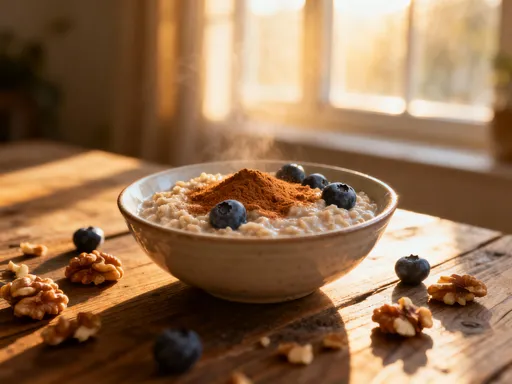
Oats are rich in beta-glucan, a type of soluble fiber that forms a gel-like substance in the gut, slowing digestion and the release of glucose into the bloodstream. This helps prevent insulin spikes that drive fat storage in the liver. Cinnamon contains compounds that mimic insulin and improve insulin sensitivity. When combined, oats and cinnamon create a powerful one-two punch against blood sugar swings. A simple bowl of steel-cut oats topped with a sprinkle of cinnamon and a handful of blueberries makes a liver-friendly breakfast. For added benefit, include a source of protein like Greek yogurt or a boiled egg to further stabilize energy levels.
Combo 2: Fatty Fish + Turmeric – Omega-3s Meet Anti-Inflammatory Curcumin
Fatty fish such as salmon, mackerel, and sardines are rich in omega-3 fatty acids, particularly EPA and DHA. These fats reduce liver inflammation and have been shown to lower liver fat content in clinical trials. Turmeric contains curcumin, a polyphenol with strong anti-inflammatory and antioxidant properties. However, curcumin is poorly absorbed on its own. When paired with healthy fats—like those in fish—and a pinch of black pepper (which contains piperine), absorption increases significantly. Try baked salmon seasoned with turmeric, garlic, and olive oil, served with roasted vegetables. This meal not only supports the liver but also tastes satisfying and nourishing.
Combo 3: Leafy Greens + Lemon – Enhance Bile Flow and Antioxidant Uptake
Leafy greens like spinach, kale, and Swiss chard are rich in chlorophyll and compounds that support the liver’s phase II detoxification pathways. They also stimulate bile production, which helps digest fats and eliminate waste. Lemon juice, rich in vitamin C and citric acid, enhances the bioavailability of certain antioxidants and supports glutathione production—the liver’s master antioxidant. Squeezing fresh lemon over a warm spinach salad with olive oil maximizes nutrient absorption. The fat in the oil helps absorb fat-soluble vitamins, while the acidity of lemon aids digestion and liver clearance.
Combo 4: Nuts + Berries – Fiber, Healthy Fats, and Polyphenols Team Up
Nuts such as walnuts, almonds, and Brazil nuts provide healthy monounsaturated and polyunsaturated fats, fiber, and selenium—an essential mineral for liver enzyme function. Berries like blueberries, strawberries, and blackberries are packed with anthocyanins and other polyphenols that reduce oxidative stress. Together, they form a snack that stabilizes blood sugar, reduces inflammation, and supports liver cell repair. A small handful of mixed nuts with a cup of fresh berries makes an ideal midday snack. Avoid sugared trail mixes or dried fruit with added sugar, which can negate the benefits.
Combo 5: Garlic + Onion + Cruciferous Veggies – Activate Liver Detox Enzymes Naturally
Garlic and onions contain sulfur compounds like allicin and quercetin, which support the liver’s detoxification enzymes. Cruciferous vegetables—broccoli, Brussels sprouts, cauliflower, and cabbage—contain glucosinolates that are converted into compounds such as sulforaphane, known to enhance the liver’s ability to neutralize toxins. When these foods are eaten together, their effects are synergistic. Try a stir-fry with broccoli, sliced onions, and minced garlic in olive oil. Lightly steaming or sautéing preserves their active compounds better than boiling. Adding a splash of lemon juice at the end boosts flavor and nutrient absorption.
What to Avoid: Hidden Liver Stressors in Your Diet
Just as certain food combinations support the liver, others quietly burden it. The most harmful are not always obvious. Sugary drinks—sodas, sweetened teas, energy drinks—are among the worst offenders. They deliver large amounts of fructose directly to the liver, which must metabolize it, often converting it into fat. Unlike glucose, which can be used by all cells, fructose is primarily processed by the liver, making it a direct contributor to fat buildup.
Ultra-processed snacks—chips, cookies, packaged desserts—often contain a triple threat: refined flour, added sugar, and unhealthy fats like trans fats or high levels of omega-6 fatty acids from vegetable oils. These ingredients promote inflammation and insulin resistance. Even snacks labeled “low-fat” or “gluten-free” can be loaded with sugar and refined starches, making them poor choices for liver health. Reading ingredient labels is essential. If sugar appears in multiple forms—sucrose, high-fructose corn syrup, maltose, dextrose—it’s a sign the product is likely to spike blood sugar and stress the liver.
Fruit juices, even 100% unsweetened varieties, are another hidden stressor. While they contain vitamins, they lack the fiber found in whole fruit and deliver a concentrated dose of fructose. A glass of orange juice, for example, may contain the sugar of three or four oranges without the fiber to slow absorption. This leads to rapid insulin release and increased liver fat production. Smoothies can be better if they include the whole fruit and are blended with protein or healthy fat, but juice alone should be limited.
“Health halo” foods—items perceived as healthy but nutritionally poor—can also mislead. Vegan cookies, protein bars with added sugar, and “natural” sweeteners like agave syrup (which is high in fructose) may still harm the liver. The key is to focus on whole, minimally processed foods. Simple swaps can make a big difference: choose sparkling water with a slice of lime instead of soda, eat an apple with almond butter instead of a granola bar, and snack on raw vegetables with hummus instead of flavored crackers. These changes reduce liver stress without requiring drastic restrictions.
Beyond Diet: Sleep, Movement, and Realistic Habits
Diet is foundational, but it’s only one piece of the puzzle. Sleep and physical activity play equally important roles in liver health. Poor sleep disrupts hormones that regulate appetite and insulin sensitivity. Studies show that people who sleep less than six hours per night are more likely to have higher liver fat levels. Disrupted circadian rhythms can also impair liver function, as the organ follows a daily metabolic cycle. Establishing a regular sleep schedule, reducing screen time before bed, and creating a calm sleeping environment support both sleep quality and liver recovery.
Physical activity, even in modest amounts, improves insulin sensitivity and helps the body burn fat—including liver fat. You don’t need intense workouts to see benefits. Walking for 20–30 minutes after meals, especially dinner, can significantly lower post-meal blood sugar spikes. This reduces the liver’s workload and prevents excess glucose from being stored as fat. Standing up and moving every hour during the day—especially if you have a desk job—also helps. Simple habits like taking the stairs, parking farther away, or doing light stretching while watching TV add up over time.
The goal is not perfection but consistency. It’s more effective to walk daily for 20 minutes than to do one long workout a week. Similarly, eating liver-supportive meals most days is more beneficial than eating perfectly for three days and then reverting to old habits. Lifestyle change is cumulative. Each healthy choice reinforces the next. Small shifts—like adding a serving of vegetables to dinner or replacing a sugary snack with nuts—become habits that protect the liver over decades.
Mindset matters too. Viewing these changes as acts of self-care, rather than punishment or restriction, makes them sustainable. Cooking a meal with turmeric and salmon isn’t just about reducing liver fat—it’s about nourishing your body and enjoying real food. Going for a walk isn’t just exercise; it’s a way to clear your mind and connect with your surroundings. When framed this way, healthy living becomes a form of daily empowerment, not deprivation.
A Long-Term Mindset: From Fear to Empowerment
Receiving a diagnosis of fatty liver can be unsettling. It’s easy to feel fear or guilt, especially when told it’s “your fault” due to diet or weight. But this condition is not a moral failing—it’s a physiological response to modern living. The real power lies not in blame, but in action. NAFLD is one of the few chronic conditions that can often be reversed with lifestyle changes, especially when caught early. This isn’t a sentence; it’s a signal to prioritize your health in a meaningful way.
Medical care remains essential. Regular check-ups, blood tests, and professional guidance ensure that progress is monitored and any complications are addressed. But within that framework, personal choices matter deeply. Choosing whole foods over processed ones, moving your body daily, and prioritizing sleep are all forms of active participation in your health. These choices send a message: you are worth the effort.
Food, in particular, is a daily opportunity for self-care. Each meal is a chance to support your liver, your energy, and your long-term well-being. Instead of focusing on restriction, focus on addition—adding more vegetables, more fiber, more color to your plate. Over time, these choices reshape your metabolism, reduce inflammation, and restore balance. The liver responds quietly but surely, often showing improvement in enzyme levels and imaging tests within months.
In the end, managing fatty liver is not about achieving a perfect diet or reaching a certain weight. It’s about building a life that supports your body’s natural ability to heal. It’s about making small, consistent choices that add up to lasting change. With the right knowledge, support, and mindset, what once felt like a health crisis can become a turning point—one that leads to greater vitality, clarity, and strength for years to come.