How Yoga and TCM Healing Changed My Recovery Journey
I used to think recovery was just about rest and medication—until I tried combining yoga, meditation, and traditional Chinese medicine. What started as a last resort became a daily ritual that transformed my energy, sleep, and mindset. This isn’t a miracle cure, but a real, science-backed shift. If you're healing from injury, stress, or chronic fatigue, this blend of ancient wisdom and mindful movement might be exactly what your body has been asking for. It’s not about replacing modern medicine, but about expanding the tools we use to heal—gently, steadily, and with deep respect for the body’s natural rhythms. What began as curiosity soon revealed itself as a sustainable, compassionate approach to well-being that honors both physical and emotional recovery.
The Breaking Point: When Conventional Recovery Wasn’t Enough
For years, the idea of recovery meant doing less—resting more, taking pain relievers when discomfort flared, and waiting for time to heal whatever was broken. This approach worked in the short term, especially after minor injuries or brief periods of overwork. But when persistent fatigue, disrupted sleep, and lingering muscle tension became constant companions, it was clear that rest alone wasn’t enough. The body was sending signals, but they were being ignored in favor of quick fixes that only masked symptoms without addressing root causes.
The turning point came after a prolonged period of emotional and physical exhaustion. Despite following medical advice, including prescribed rest and anti-inflammatory medication, improvement was minimal. Frustration grew as the same routines failed to deliver lasting relief. It was during a conversation with a close friend, who had recovered from a similar struggle, that the idea of holistic healing was introduced. She spoke not of cures, but of balance—of listening to the body and supporting its innate ability to restore itself. Skeptical but willing to try anything, the journey into yoga and traditional Chinese medicine (TCM) began not with certainty, but with quiet hope.
What stood out immediately was the shift in perspective: recovery was no longer passive, but active participation in one’s own healing. Instead of waiting for symptoms to fade, the focus turned to creating conditions in which healing could naturally occur. This wasn’t about rejecting conventional medicine, but about recognizing its limitations in addressing chronic, systemic imbalances. The body is not a machine that simply needs repairs—it is a dynamic, responsive system influenced by movement, breath, emotion, and environment. This realization marked the beginning of a more integrated, intentional approach to well-being.
Understanding the Mind-Body Connection in Healing
Both yoga and traditional Chinese medicine are built on the foundational belief that the mind and body are not separate entities, but interconnected aspects of a single system. In Western medicine, physical symptoms are often treated in isolation—back pain is addressed with painkillers, insomnia with sleep aids, anxiety with medication. But TCM and yoga operate on a different principle: that emotional stress can manifest as physical tension, and that physical injury can disrupt mental clarity. Healing, therefore, must address both dimensions simultaneously.
In TCM, the concept of Qi (pronounced “chee”) is central. Qi is the vital energy that flows through the body along pathways known as meridians. When Qi moves freely, the body functions optimally. When it becomes blocked or depleted—due to stress, injury, poor diet, or emotional strain—discomfort and illness can arise. Practitioners assess imbalances in Qi not just through physical symptoms, but through pulse reading, tongue examination, and lifestyle patterns. The goal is not to suppress symptoms, but to restore harmony within the system.
Yoga supports this understanding by emphasizing awareness of breath, posture, and internal sensation. Through mindful movement and meditation, practitioners learn to observe how emotions affect the body—how anger tightens the shoulders, how grief settles in the chest. Meditation, in particular, plays a crucial role in regulating the nervous system. By activating the parasympathetic nervous system—the body’s “rest and digest” mode—meditation helps reduce cortisol levels, lower heart rate, and improve sleep quality. These physiological changes create an internal environment conducive to healing, allowing the body to shift from survival mode to restoration mode.
Yoga for Rehabilitation: More Than Just Stretching
Many people associate yoga with flexibility or athletic poses seen on social media, but its therapeutic applications run much deeper. For those in recovery, especially from injury or chronic strain, the most beneficial forms of yoga are gentle, restorative, and focused on alignment and breath. These practices are not about pushing limits, but about rebuilding strength, stability, and awareness in a way that honors the body’s current state.
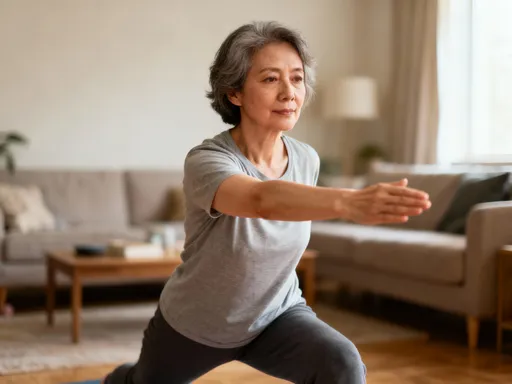
Gentle asanas, or postures, such as Child’s Pose, Supported Bridge, and Legs-Up-the-Wall, are particularly effective during recovery. These poses require minimal effort but promote circulation, release muscle tension, and encourage relaxation. For example, Legs-Up-the-Wall helps reduce swelling in the legs by allowing fluids to drain back toward the heart, while also calming the nervous system. Supported poses, often using bolsters or blankets, allow the body to rest in alignment without strain, making them ideal for those with low energy or joint sensitivity.
Breath control, or pranayama, is another cornerstone of yoga’s healing power. Techniques like diaphragmatic breathing and alternate nostril breathing have been shown to improve oxygenation, reduce inflammation, and enhance mental focus. Slow, deep breathing signals safety to the brain, which in turn reduces the production of stress hormones. This is especially valuable for individuals recovering from chronic pain or emotional burnout, where the nervous system may be stuck in a state of hypervigilance.
Consistency, not intensity, is the key to sustainable progress. A daily practice of just 15–20 minutes can yield significant benefits over time. Unlike high-intensity workouts that may exacerbate inflammation or strain healing tissues, gentle yoga supports the body’s repair processes. Over months, many practitioners report improved sleep, reduced pain levels, and a greater sense of emotional stability—outcomes that reflect not just physical change, but a deeper recalibration of the body’s natural rhythms.
TCM Principles That Support Natural Recovery
Traditional Chinese medicine offers a comprehensive framework for understanding and supporting the body’s self-healing mechanisms. Rather than targeting isolated symptoms, TCM seeks to identify underlying patterns of imbalance. For instance, chronic fatigue may be interpreted as a deficiency in Qi or blood, while persistent muscle tension could be seen as stagnation in the liver meridian, often linked to emotional stress. Treatment is tailored to the individual, based on a detailed assessment of their unique constitution and lifestyle.
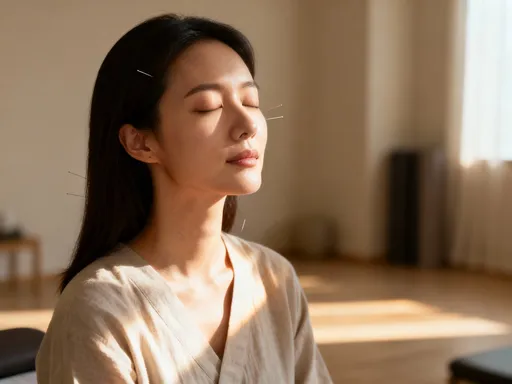
Acupuncture is one of the most well-known TCM practices. By inserting fine needles into specific points along the meridians, practitioners aim to unblock Qi and restore balance. Research has shown that acupuncture can stimulate the release of endorphins, reduce inflammation, and improve circulation—all of which support recovery. Many patients report immediate relief from pain or tension, while others notice gradual improvements in sleep and mood over several sessions.
Cupping therapy is another widely used technique. Glass or silicone cups are placed on the skin, creating suction that draws blood to the surface. This can help release deep muscle tension, improve lymphatic drainage, and reduce stiffness. While the circular marks left by cupping may look dramatic, they are typically painless and fade within a few days. Athletes and individuals with chronic back or shoulder pain often find cupping to be a valuable complement to other therapies.
Herbal medicine and dietary therapy are also integral to TCM. Instead of a one-size-fits-all approach, herbal formulas are customized based on the individual’s pattern of imbalance. For example, someone with fatigue and poor digestion might be given a formula to strengthen the spleen Qi, while another with insomnia and irritability might receive herbs to nourish the heart and calm the spirit. Dietary recommendations often emphasize warm, cooked foods and the avoidance of raw, cold, or processed items that are believed to slow digestion and impair Qi flow. These small, consistent changes can have a cumulative effect on energy and resilience.
Merging Two Worlds: How Yoga and TCM Complement Each Other
While yoga and TCM originate from different cultural traditions—yoga from India and TCM from China—they share a profound understanding of the body as an energy system. This common ground allows them to work synergistically, enhancing each other’s effects in ways that neither could achieve alone. When combined, they create a holistic recovery strategy that addresses physical, energetic, and emotional layers of healing.
One of the most powerful intersections is in the movement of Qi. Yoga postures and breathwork naturally stimulate energy flow, much like acupuncture aims to do. For example, twisting poses are believed to wring out stagnation in the internal organs, while forward bends calm the nervous system and conserve energy. Practicing yoga regularly can make the body more responsive to acupuncture by keeping the meridians open and the muscles relaxed. Some individuals find that their acupuncture sessions are more effective when preceded by a gentle yoga practice that centers the mind and warms the body.
Meditation, a core component of yoga, also enhances the diagnostic and therapeutic process in TCM. By cultivating mindfulness, individuals become more attuned to subtle bodily signals—tightness in the shoulders, a slight ache in the lower back, changes in digestion. This heightened awareness allows for earlier detection of imbalances, enabling timely intervention before minor issues become chronic. A TCM practitioner may use this self-knowledge to refine their diagnosis and adjust treatment accordingly.
Practical integration is both simple and effective. Drinking a warming herbal tea, such as ginger or cinnamon, after a restorative yoga session can deepen circulation and support digestion. Using acupressure points—such as the space between the thumb and index finger (LI4), known for relieving tension—at home can extend the benefits of professional treatments. Even the act of conscious breathing before or after a TCM session can amplify its calming effects. These small, mindful practices accumulate over time, creating a daily rhythm of care that supports long-term recovery.
Building a Sustainable Daily Practice
One of the greatest challenges in recovery is consistency. Motivation often wanes when progress is slow, and life’s demands can easily push self-care to the bottom of the priority list. The key to sustainability is simplicity—designing a routine that is realistic, gentle, and adaptable to changing energy levels. A well-structured daily practice doesn’t require hours of commitment, but rather intentional moments woven into the fabric of everyday life.
A sample morning routine might begin with 10 minutes of breathwork—such as diaphragmatic breathing or alternate nostril breathing—to set a calm, focused tone for the day. This can be followed by a 15–20 minute gentle yoga flow, emphasizing mobility and alignment rather than intensity. Poses like Cat-Cow, Seated Forward Bend, and Supine Spinal Twist help awaken the spine, release tension, and improve circulation. Ending with a short meditation—focusing on the breath or a simple affirmation—can reinforce a sense of inner stability.
In the evening, the focus shifts to relaxation and release. A restorative pose like Supported Child’s Pose or Legs-Up-the-Wall, held for 5–10 minutes, can signal the body that it’s time to wind down. Pairing this with a warm herbal tea—such as chamomile, licorice root, or a TCM formula like Gui Pi Tang for fatigue and poor sleep—supports both physical and emotional recovery. Acupressure can also be incorporated; gently pressing points like Yin Tang (between the eyebrows) or HT7 (on the wrist) may promote relaxation and improve sleep quality.
The most important element of any routine is listening to the body. Some days may call for more movement, while others require stillness. The goal is not perfection, but presence—showing up with kindness and curiosity, rather than judgment. Over time, this practice becomes less about fixing and more about nurturing, creating a foundation of resilience that supports long-term well-being.
What Science Says and When to Seek Help
While yoga and TCM are rooted in ancient traditions, modern science continues to validate their benefits. Numerous studies have demonstrated that regular yoga practice can reduce chronic lower back pain, improve joint function in arthritis patients, and enhance sleep quality in individuals with insomnia. Research also shows that yoga lowers levels of cortisol, the primary stress hormone, and increases heart rate variability—a marker of nervous system resilience. These findings support the idea that yoga is not just a physical exercise, but a powerful tool for regulating the body’s stress response.
Similarly, acupuncture has gained recognition in integrative medicine. Clinical trials have found it effective in managing conditions such as migraines, osteoarthritis, and chemotherapy-induced nausea. The National Institutes of Health (NIH) and the World Health Organization (WHO) acknowledge acupuncture as a viable complementary therapy for various pain and neurological conditions. While the exact mechanisms are still being studied, evidence suggests that acupuncture influences nerve signaling, immune function, and endorphin release.
It is important to emphasize that these practices are most effective when used alongside, not instead of, conventional medical care. They are not substitutes for diagnosis, surgery, or emergency treatment. Individuals with serious medical conditions should always consult licensed healthcare providers before beginning any new regimen. Working with certified yoga therapists and licensed TCM practitioners—such as acupuncturists or herbalists—ensures safety and appropriateness of care.
Additionally, progress in holistic healing is often gradual. Unlike pharmaceutical interventions that may offer rapid symptom relief, the benefits of yoga and TCM accumulate over weeks and months. Patience and realistic expectations are essential. Some may experience immediate shifts in mood or energy, while others notice changes more subtly—better digestion, fewer headaches, improved focus. These quiet victories are just as significant as dramatic transformations.
Ultimately, the goal is not to achieve a perfect state of health, but to build a resilient, responsive relationship with one’s body. By combining the mindfulness of yoga, the energetic wisdom of TCM, and the insights of modern science, individuals can create a personalized, compassionate path to recovery—one that honors both tradition and evidence, movement and stillness, effort and ease.