How Acupuncture and Massage Changed My Emotional Balance – A Real Guide
Emotional ups and downs are part of life, but when stress builds up, your body feels it too. I used to feel constantly drained—until I tried acupuncture and massage as tools for emotional balance. This isn’t about quick fixes, but real, gradual relief. What I discovered wasn’t magic, but science-backed calm. If you're overwhelmed and seeking natural support, this journey might help you, too. Always consult a healthcare professional before starting any new therapy.
The Emotional Burnout That Started It All
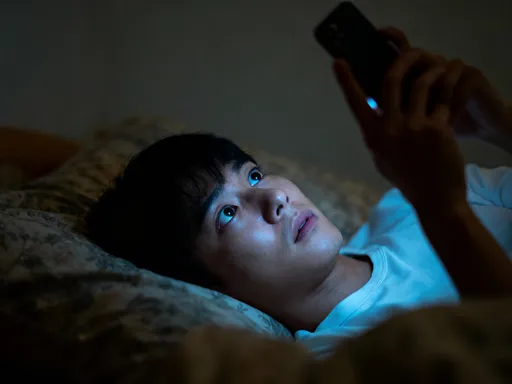
For years, I believed that pushing through stress was a sign of strength. As a mother of two and a full-time employee, I wore exhaustion like a badge of honor. I told myself that feeling irritable, emotionally fragile, and physically fatigued was just part of being busy. But over time, the emotional toll began to show in ways I could no longer ignore. Simple tasks felt overwhelming. I snapped at my children over minor things. I’d lie awake at night, heart racing, mind circling the same worries again and again. The emotional weight I carried wasn’t just in my mind—it settled in my body.
My shoulders were always tight, as if I were carrying an invisible backpack full of bricks. Headaches became frequent, and my jaw ached from clenching. I stopped enjoying activities I once loved, like walking in the park or reading before bed. I felt disconnected—not just from others, but from myself. It wasn’t until a close friend gently pointed out that I seemed 'wired but tired' that I paused and asked: Is this really sustainable? That moment of honesty changed everything. I realized rest wasn’t enough. I needed a deeper kind of recovery—one that addressed both my body and my emotional state.
What I experienced wasn’t unique. Millions of women in their 30s to 50s face similar emotional burnout, often without realizing it’s more than just being 'stressed.' The constant juggling of family, work, and personal expectations can lead to a slow erosion of emotional resilience. The body responds by holding tension, disrupting sleep, and weakening immunity. For me, the breaking point wasn’t a single event, but the accumulation of small, unaddressed struggles. It was then that I began to explore holistic approaches—not as replacements for medical care, but as supportive tools to help restore balance.
Why the Body Holds Onto Emotions
It might sound surprising, but emotions don’t just live in the mind. They are deeply intertwined with the body’s physical state. When we experience stress, fear, or sadness, the body reacts immediately. The nervous system activates, muscles tense, breathing becomes shallow, and heart rate increases. These are natural survival responses. But when stress becomes chronic, the body never fully resets. The tension remains, often settling in the neck, shoulders, back, and jaw. Over time, this stored tension can contribute to ongoing fatigue, headaches, and even digestive issues.
The concept that emotions are stored in the body is not new. Traditional healing systems, including Traditional Chinese Medicine (TCM) and Ayurveda, have long recognized the connection between emotional health and physical well-being. In TCM, emotions like anger, grief, and anxiety are believed to disrupt the flow of energy, or qi, through the body’s meridians. When qi becomes blocked or imbalanced, it can manifest as physical discomfort or emotional instability. For example, prolonged anger may affect the liver meridian, while unresolved grief might impact the lungs. These frameworks don’t claim to diagnose medical conditions, but they offer a way to understand how emotional experiences can leave physical imprints.
Modern science supports this mind-body connection. Research shows that emotional stress activates the hypothalamic-pituitary-adrenal (HPA) axis, which regulates cortisol, the body’s primary stress hormone. Elevated cortisol levels over time can impair immune function, disrupt sleep, and contribute to mood disorders. Additionally, studies using brain imaging have found that areas involved in emotional processing, such as the amygdala and prefrontal cortex, communicate directly with regions that control muscle tension and organ function. This means that emotional distress isn’t just 'in your head'—it’s embedded in your physiology. Recognizing this link was a turning point for me. It helped me understand that healing my emotions required caring for my body, not just trying to 'think positively.'
Discovering Acupuncture: More Than Just Needles
My first acupuncture session was both intimidating and hopeful. I had heard stories—some skeptical, others glowing—but I didn’t know what to expect. The clinic was calm, with soft lighting and soothing music. My practitioner, a licensed acupuncturist with years of training, began by asking detailed questions about my sleep, digestion, energy levels, and emotional state. This holistic intake was different from a typical doctor’s visit. It felt like someone was finally listening to the whole picture, not just isolated symptoms.
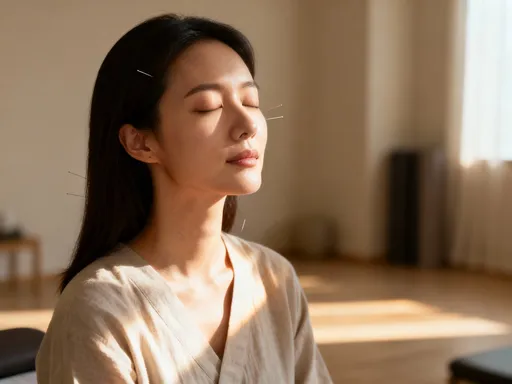
When the needles were inserted, I was surprised by how little I felt. Most were as thin as a strand of hair, and the sensation was more like a brief pinch or pressure, not pain. The practitioner placed them at specific points on my arms, legs, back, and ears—areas associated with calming the nervous system and supporting emotional regulation. I lay still for about 20 minutes, breathing deeply. During that time, I noticed a wave of warmth spreading through my body, followed by a deep sense of relaxation. My usual mental chatter quieted. For the first time in months, my mind felt still.
Acupuncture works by stimulating the body’s natural healing processes. From a biomedical perspective, needle insertion activates sensory nerves, which send signals to the brain. This can trigger the release of endorphins—natural painkillers and mood regulators—and help regulate the autonomic nervous system. Studies have shown that acupuncture can reduce activity in the sympathetic nervous system (responsible for the 'fight or flight' response) and enhance parasympathetic activity (which promotes 'rest and digest' states). While acupuncture does not claim to cure mental health conditions, research suggests it may help reduce symptoms of anxiety, improve sleep quality, and support emotional stability when used as part of a broader wellness plan.
Over time, I began to notice subtle shifts. I felt less reactive. When stressful situations arose, I could pause before responding. My sleep improved. I didn’t expect acupuncture to erase my challenges, but it gave me a stronger foundation to face them. It wasn’t magic—it was physiological support, helping my body reset and recover from chronic stress.
Massage Therapy: Releasing Tension, Not Just Muscles
If acupuncture helped calm my nervous system, massage therapy addressed the physical storage of stress in my muscles. I had tried occasional spa massages before, but this was different. I sought out a licensed massage therapist trained in therapeutic techniques. The goal wasn’t just relaxation, but to release deep layers of tension that had built up over years. My therapist used a combination of Swedish massage for overall circulation and deep tissue work to target stubborn knots in my shoulders and back.
The first few sessions were intense. As the therapist worked on my upper trapezius muscles, I could feel decades of stress locked in those fibers. There was discomfort, but not pain—more like the sensation of something long-held finally beginning to let go. What surprised me most was the emotional response. During one session, as pressure was applied to my upper back, I suddenly felt tears welling up. I wasn’t sad—I just felt a deep release, as if an emotional dam had cracked. Other times, I experienced moments of unexpected clarity, as if mental fog had lifted. These weren’t dramatic breakdowns, but gentle openings, allowing me to process emotions I hadn’t even realized I was carrying.
Massage therapy supports emotional balance in measurable ways. Research indicates that regular massage can lower cortisol levels by up to 30%, while increasing serotonin and dopamine—neurotransmitters linked to mood regulation and well-being. Improved blood flow and oxygen delivery to muscles also help reduce inflammation and promote healing. But beyond the science, there’s a profound psychological benefit: being touched with care and intention. For many women, especially those in caregiving roles, it’s rare to be on the receiving end of nurturing touch. Massage offered a sacred space to be still, to be tended to, without having to do anything in return. That simple act of self-care became a cornerstone of my emotional recovery.
Combining Both: A Synergy for Emotional Stability
On their own, acupuncture and massage each brought noticeable benefits. But when I began using them together, the effects deepened. I established a rhythm that worked for my lifestyle: weekly massage sessions and acupuncture every two weeks. This combination created a cumulative effect. The massage helped release physical tension, making it easier for the acupuncture to influence energy flow. In turn, the acupuncture supported nervous system regulation, which enhanced the body’s ability to relax during massage.
Over the course of three months, I observed meaningful improvements. My sleep became more consistent. I woke up feeling more refreshed, rather than dragging myself out of bed. My mood stabilized—I was less prone to sudden irritability or emotional dips. I found I could handle daily challenges with greater patience and perspective. Even my family noticed the change. My daughter commented, 'You seem lighter lately.' That word—lighter—resonated. It wasn’t that my responsibilities had changed, but my capacity to carry them had increased.
This synergy wasn’t accidental. Both therapies work on the principle of restoring balance. Acupuncture supports internal regulation, while massage addresses external tension. Together, they create a feedback loop of relaxation and resilience. Think of it like tuning an instrument: when both the strings and the frame are in harmony, the sound is clearer. Similarly, when the body’s physical and energetic systems are aligned, emotional well-being naturally improves. This approach didn’t eliminate stress—it helped me respond to it more skillfully.
What Science Says About These Therapies
While personal experience is powerful, it’s important to consider what research tells us about acupuncture and massage. A growing body of scientific evidence supports their role in supporting emotional health. A meta-analysis published in the Journal of Acupuncture and Meridian Studies found that acupuncture was associated with significant reductions in anxiety symptoms compared to control groups. Another study in the Journal of Endocrinology showed that acupuncture can modulate the HPA axis, helping to normalize cortisol levels and improve stress resilience.
Similarly, massage therapy has been studied for its impact on both physical and emotional markers. Research from the Touch Research Institute at the University of Miami found that regular massage led to decreased cortisol levels and increased serotonin and dopamine in participants. These changes were linked to improved mood, reduced anxiety, and better sleep quality. In clinical settings, massage is increasingly used as a complementary therapy for individuals dealing with chronic stress, depression, and even cancer-related fatigue.
It’s crucial to emphasize that these therapies are not substitutes for professional mental health care. They do not diagnose or treat clinical conditions like major depressive disorder or generalized anxiety disorder. However, when used alongside conventional treatments—such as counseling or medication—they can enhance overall well-being. The National Center for Complementary and Integrative Health (NCCIH) recognizes both acupuncture and massage as safe and potentially beneficial when performed by qualified practitioners. The key is integration: using these tools as part of a comprehensive, personalized approach to emotional health.
How to Start Safely and Honestly
If you’re considering acupuncture or massage for emotional balance, starting safely is essential. First, consult with your healthcare provider, especially if you have underlying health conditions such as blood disorders, skin infections, or pregnancy. Both therapies are generally safe, but professional guidance ensures they’re appropriate for your individual needs.
Next, choose licensed practitioners. In the U.S., acupuncturists should be certified by the National Certification Commission for Acupuncture and Oriental Medicine (NCCAOM). Massage therapists should be licensed by the state and trained in therapeutic techniques. Look for professionals with experience in stress-related conditions or emotional wellness. Don’t hesitate to ask questions during your initial consultation: What is your training? How do you approach emotional tension? What can I expect in a session?
Set realistic expectations. These therapies are not instant cures. Benefits often build gradually over time. Keep a simple journal to track changes in your sleep, mood, and physical comfort. Some people notice shifts after one session; for others, it takes several weeks. Be patient with your body. Progress isn’t always linear. And remember, self-care isn’t selfish—it’s necessary. Making space for these practices sends a powerful message to yourself: I am worth tending to.
Conclusion
Acupuncture and massage didn’t cure my stress—but they gave me tools to manage it. By treating the body with care, I found my mind could finally breathe. This path wasn’t about escaping life’s challenges, but about building resilience to face them with greater calm and clarity. The emotional balance I’ve regained isn’t perfect, but it’s real. It’s in the deeper sleep, the quieter mind, the ability to pause before reacting. These therapies offered more than physical relief—they helped me reconnect with myself.
For women navigating the demands of family, work, and personal well-being, emotional balance isn’t a luxury—it’s a necessity. Holistic practices like acupuncture and massage offer a sustainable, science-informed way to support that balance. They remind us that healing is not just about fixing what’s broken, but about nurturing what’s already there. Always work with qualified professionals, honor your body’s pace, and remember: small, consistent steps lead to real change. In a world that never slows down, giving yourself the gift of calm may be the most powerful choice you can make.