How I Upgraded My Bone Health Without Supplements — Just Daily Habits That Actually Work
Bone health isn’t something most of us think about until something goes wrong. But the truth is, your skeleton is silently adapting to your lifestyle every day — for better or worse. I used to ignore mine, until a minor fall left me shaken. That’s when I started paying attention. No drastic changes, no magic pills — just small, consistent habits that made a real difference. This is what I learned about building stronger bones naturally through everyday choices.
The Wake-Up Call: Why Bone Health Matters More Than You Think
Bone health is often overlooked because it operates in silence. Unlike a sore muscle or a visible bruise, weakening bones don’t send urgent signals until damage has already occurred. For many women between the ages of 30 and 55, the idea of fragile bones feels distant — something that happens to elderly relatives, not to themselves. But the reality is that the peak of bone mass is typically reached by the late 20s, and from that point forward, the body begins a gradual process of bone turnover, where old bone is removed and new bone is formed. If more bone is lost than replaced, density decreases over time, increasing the risk of fractures and conditions like osteopenia or osteoporosis.
Consider this: one in three women over the age of 50 will experience a bone fracture due to weakened skeletal structure. Yet, most of these cases could have been mitigated with earlier awareness and preventive action. The problem lies in perception — bone health is not seen as urgent until it becomes a crisis. A seemingly minor stumble on a sidewalk, a misstep on stairs, or even a strong sneeze can lead to serious injury when bones have silently weakened. These incidents are not just bad luck; they are often the result of years of unnoticed imbalance between bone loss and bone formation.
What many don’t realize is that daily habits — how you move, eat, rest, and manage stress — directly influence your skeletal strength. The body treats bone as a living, responsive tissue, not just a rigid framework. Every time you walk, lift, or stretch, your bones receive subtle signals that help maintain their density. When those signals are missing, the skeleton interprets it as a sign that strength is no longer needed, and it begins to break down tissue. This biological logic means that neglecting movement, poor nutrition, or chronic inactivity doesn’t just affect energy levels or weight — it compromises the very structure that holds you upright.
For women in midlife, hormonal shifts, particularly around perimenopause and menopause, accelerate bone loss due to declining estrogen levels. Estrogen plays a key role in regulating bone remodeling, and its reduction can tip the balance toward greater bone resorption. But while hormones are a factor, they are not the sole determinant. Lifestyle choices made decades earlier can either buffer or exacerbate this natural transition. Building strong bones isn’t about reacting to decline — it’s about proactively supporting your skeleton throughout life, starting now.
Move It or Lose It: The Role of Physical Activity in Bone Strength
One of the most powerful tools for maintaining and improving bone density is also one of the most accessible: physical activity. Bones thrive on mechanical stress — they grow stronger when challenged by weight-bearing forces. This doesn’t mean you need to become a powerlifter or run marathons. The key is consistency in activities that require your body to work against gravity. Walking, climbing stairs, dancing, gardening, and carrying groceries all count as weight-bearing exercise, and they send essential signals to your bones to maintain or even increase their strength.
Resistance training, such as lifting light weights, using resistance bands, or doing bodyweight exercises like squats and push-ups, adds another layer of benefit. These activities create micro-stresses in the bone tissue, prompting the body to reinforce the structure with new mineral deposits. Over time, this leads to increased bone density, particularly in areas most vulnerable to fractures — the hips, spine, and wrists. Studies have shown that women who engage in regular resistance training can slow bone loss and, in some cases, modestly improve bone mineral density, even after the age of 40.
The beauty of integrating movement into daily life is that it doesn’t require a gym membership or hours of free time. Simple changes can make a meaningful difference. Taking the stairs instead of the elevator, parking farther from store entrances, or doing a 10-minute strength routine while dinner cooks are all practical ways to add bone-supportive activity into a busy schedule. The goal isn’t intensity — it’s regularity. Bones respond best to frequent, moderate loading rather than occasional, extreme efforts.
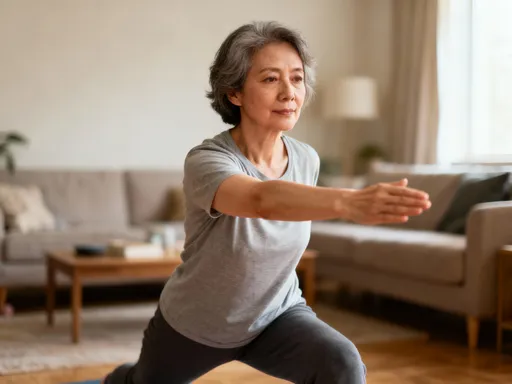
Balance and coordination also play a crucial role in bone health, not by directly strengthening bones, but by reducing the risk of falls. Exercises like tai chi, yoga, or simple heel-to-toe walks improve proprioception — the body’s awareness of its position in space — which helps prevent accidents that could lead to fractures. For women managing household responsibilities, caregiving, or full-time work, these practices offer dual benefits: they support skeletal integrity while enhancing overall stability and confidence in daily movement.
Sunlight and Beyond: Vitamin D and Calcium in Real-Life Diets
Nutrition is a cornerstone of bone health, and two nutrients stand out: calcium and vitamin D. Calcium is the primary mineral found in bones, providing structure and strength. Vitamin D, often called the “sunshine vitamin,” is essential because it enables the body to absorb calcium from the digestive tract. Without sufficient vitamin D, even a calcium-rich diet may not translate into stronger bones. While supplements are widely used, it’s entirely possible to meet these nutritional needs through food and natural sunlight — without relying on pills.
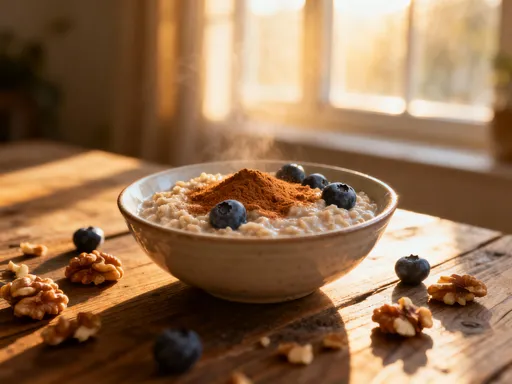
Dietary sources of calcium are more varied than many realize. Dairy products like milk, yogurt, and cheese are well-known providers, but for those who limit dairy, there are excellent alternatives. Fortified plant-based milks, tofu made with calcium sulfate, canned sardines and salmon with bones, leafy greens like kale and bok choy, and almonds all contribute meaningful amounts of calcium. The key is consistency — spreading calcium intake throughout the day improves absorption, as the body can only process a limited amount at once. A breakfast with fortified oatmeal and almond milk, a lunch salad with kale and sesame seeds, and a dinner featuring salmon can collectively meet daily needs without requiring large portions or supplements.
Vitamin D is more challenging because few foods naturally contain it in significant amounts. Fatty fish like salmon and mackerel, egg yolks, and fortified foods such as milk and cereals provide some, but the most effective source is sunlight. When skin is exposed to ultraviolet B (UVB) rays, it synthesizes vitamin D. For most people, 10 to 30 minutes of midday sun exposure on the face, arms, and hands a few times a week is sufficient, depending on skin tone, geographic location, and season. In winter months or regions with limited sunlight, dietary sources and, when necessary, medically advised supplementation may be appropriate — but the emphasis should first be on natural intake.
It’s also important to recognize that nutrients don’t work in isolation. Magnesium, vitamin K, and protein all play supporting roles in bone metabolism. Magnesium helps convert vitamin D into its active form, vitamin K directs calcium to bones and away from soft tissues, and protein provides the structural matrix upon which minerals are deposited. A balanced, whole-foods diet rich in vegetables, fruits, legumes, nuts, and lean proteins naturally supplies these co-factors, reinforcing the idea that bone health is not about isolated nutrients, but about overall dietary patterns.
The Hidden Harm: How Lifestyle Choices Weaken Bones Without Warning
While positive habits build bone strength, certain lifestyle factors quietly undermine it — often without immediate symptoms. Smoking is one of the most well-documented threats to skeletal health. Research consistently shows that smokers have lower bone density and a higher risk of fractures. The chemicals in tobacco interfere with the function of osteoblasts, the cells responsible for building new bone, and reduce blood supply to bone tissue. Additionally, smoking can lead to earlier menopause, further accelerating bone loss in women.
Excessive alcohol consumption is another silent risk. While an occasional glass of wine is unlikely to cause harm, regularly drinking more than two alcoholic beverages per day has been linked to decreased bone formation and increased fracture risk. Alcohol disrupts the balance of calcium in the body, impairs the production of hormones that support bone health, and increases the likelihood of falls due to impaired coordination. For women juggling work and family life, alcohol may be used as a coping mechanism, but its long-term impact on the skeleton is significant and often overlooked.
Sedentary behavior is equally damaging. Spending long hours sitting — whether at a desk, in a car, or on the couch — sends a biological message that the body doesn’t need strong bones. Without regular loading, bone resorption outpaces formation. Even those who exercise occasionally can fall into this trap if the rest of their day is inactive. The solution isn’t to eliminate sitting, but to interrupt it. Standing up every 30 to 60 minutes, stretching, or taking short walks helps maintain the mechanical signals bones need.
Chronic stress and poor sleep also play indirect but meaningful roles. Elevated cortisol levels, often seen in prolonged stress, can interfere with bone formation and increase calcium excretion. Sleep is when the body repairs tissues, including bone, so chronic sleep deprivation disrupts this regenerative process. Managing stress through mindfulness, breathing exercises, or gentle movement, and prioritizing consistent, quality sleep, are not just good for mental health — they are essential for skeletal resilience.
Posture and Alignment: Everyday Movements That Protect Your Frame
How you carry yourself throughout the day has a direct impact on your bones and joints. Poor posture — slouching at a desk, craning the neck to look at a phone, or standing with weight shifted to one side — creates uneven pressure on the spine and hips. Over time, this can contribute to spinal compression, reduced mobility, and increased fracture risk, especially in the vertebrae. Good posture, on the other hand, distributes weight evenly, supports optimal alignment, and reduces strain on the skeletal system.
Simple adjustments can make a lasting difference. Sitting with feet flat on the floor, keeping the computer screen at eye level, and using a chair with proper lumbar support help maintain spinal health. When standing, aligning the ears over the shoulders, shoulders over hips, and hips over ankles creates a balanced frame. These habits may seem minor, but they reduce the cumulative stress on bones and joints, preserving their integrity over decades.
Core strength is closely tied to posture. The muscles of the abdomen, back, and pelvis act as a natural corset, supporting the spine and improving balance. Exercises that engage the core — such as gentle planks, pelvic tilts, or modified yoga poses — don’t just tone muscles; they enhance stability and protect against falls. For women managing household tasks, carrying children, or lifting groceries, a strong core reduces the risk of injury and supports long-term skeletal health.
Being mindful of movement patterns also matters. Bending at the waist to pick up objects, instead of using the legs, places unnecessary strain on the lower back. Twisting the spine while lifting can lead to microfractures over time. Learning proper body mechanics — bending the knees, keeping the back straight, and holding objects close to the body — protects the skeleton during daily activities. These practices are not just for physical therapists or athletes; they are essential life skills for maintaining independence and strength as you age.
Consistency Over Intensity: Building Habits That Last
The most effective bone-supportive habits are not dramatic or short-lived — they are small, sustainable actions repeated over time. The idea of “all or nothing” rarely works in real life, especially for women balancing careers, families, and personal well-being. Lasting change comes not from perfection, but from progress. The goal is not to do everything at once, but to integrate one or two new behaviors at a time until they become automatic.
Environmental cues can help reinforce these habits. Placing a pair of walking shoes by the front door, setting a daily reminder to stand and stretch, or keeping a calcium-rich snack like yogurt or almonds visible in the kitchen all serve as gentle prompts. Over time, these cues reduce the need for willpower, making healthy choices the default rather than the exception.
Mindset also plays a role. Viewing bone health not as a future concern, but as a present-day act of self-respect, shifts the motivation from fear to empowerment. Each walk, each nutritious meal, each moment of mindful movement becomes a quiet investment in long-term strength and independence. Tracking progress — not through numbers on a scale, but through how you feel — helps maintain motivation. Do you stand taller? Do stairs feel easier? Do you recover faster from daily tasks? These subtle signs indicate that your skeleton is responding.
It’s also important to be kind to yourself. There will be days when exercise is skipped, meals are rushed, or sleep is poor. That’s normal. The key is not to abandon the effort, but to return to it gently. Bone health is not built in a day, but through the cumulative effect of daily choices. By focusing on consistency, not intensity, you create a foundation that supports you for decades to come.
When to Seek Expert Guidance: Knowing Your Limits
While lifestyle changes are powerful, they are not a substitute for professional medical care. If you have a family history of osteoporosis, have experienced a fracture as an adult, or are going through menopause, it’s important to discuss bone health with your healthcare provider. A bone density test, known as a DEXA scan, can assess your current bone mass and help determine your risk level. This painless, non-invasive test provides valuable information that can guide personalized prevention or treatment strategies.
Some women may benefit from targeted interventions, such as prescribed medications or specific supplements, especially if dietary intake or sun exposure is insufficient. However, these decisions should be made in consultation with a doctor, not based on trends or anecdotal advice. Blood tests can also check vitamin D and calcium levels, helping to identify deficiencies that may not be obvious from symptoms alone.
Physical therapists and certified fitness professionals can provide guidance on safe and effective exercises, particularly if you have existing joint issues or mobility concerns. They can help design a program that supports bone health without increasing injury risk. Similarly, registered dietitians can offer personalized nutrition plans that align with your lifestyle and health goals.
Self-care is important, but so is knowing when to seek support. Taking charge of your bone health doesn’t mean doing it all alone — it means combining personal effort with professional insight to create a comprehensive, sustainable approach.
Strong bones aren’t built overnight, but every healthy choice adds structural support to your future self. By aligning daily habits with long-term well-being, you’re not just preventing problems — you’re actively building resilience.