How I Finally Found Real Energy — My Honest Health Tracking Journey
Ever feel tired no matter how much you sleep? I did — until I started paying attention to what my body was actually trying to tell me. This isn’t about quick fixes or hype. It’s about tracking real patterns: sleep quality, daily habits, stress levels. What I discovered changed everything. By tuning into my body’s signals, I found a natural, lasting energy boost that coffee never gave me. I began to notice when my energy dipped, what I had eaten, how I slept, and how my mood influenced my focus. Over time, these small observations added up to a clear picture — one that revealed the true causes behind my exhaustion and, more importantly, the path to lasting vitality. This is not a miracle cure, but a method grounded in awareness, consistency, and self-respect.
The Hidden Problem Behind Constant Fatigue
Fatigue is one of the most common complaints among adults, especially women managing households, careers, and family responsibilities. Yet many dismiss it as simply part of a busy life. The truth is, persistent low energy is not normal — it’s a signal. The body uses fatigue to communicate imbalance, much like a warning light on a car’s dashboard. When ignored, the symptoms worsen, leading to reduced focus, irritability, and a general sense of being overwhelmed. Common culprits include irregular sleep schedules, chronic dehydration, prolonged sitting, and unmanaged stress. These factors often operate in silence, building up over weeks or months until the body can no longer compensate.
Consider the typical afternoon slump — that heavy feeling after lunch when concentration fades and the thought of another task feels exhausting. While many reach for sugar or caffeine, the real issue may lie in blood sugar spikes, poor meal composition, or even mental fatigue from constant multitasking. Similarly, difficulty waking up despite sleeping eight hours can point to poor sleep quality rather than insufficient duration. Restless sleep, frequent awakenings, or lack of deep sleep stages prevent true restoration, leaving a person physically present but mentally drained. These patterns are not signs of weakness, but of misalignment between lifestyle and biological needs.
Stress plays a particularly subtle role. Emotional strain — whether from family demands, work pressure, or financial concerns — triggers the body’s fight-or-flight response, releasing cortisol and adrenaline. When this response becomes chronic, it disrupts natural energy rhythms. The body remains in a state of low-grade alertness, burning fuel inefficiently and suppressing restorative processes. Over time, this leads to adrenal fatigue, where the body struggles to maintain even baseline energy. Recognizing these hidden contributors is the first step toward meaningful change. Fatigue is not a personal failing — it is a physiological message that deserves attention and care.
Why Traditional Advice Falls Short
Most of us have heard the standard recommendations: drink more water, sleep eight hours, eat more vegetables, exercise regularly. These guidelines are well-meaning and based on general health principles. However, they often fail to deliver lasting results because they treat everyone the same. One-size-fits-all advice overlooks the reality of individual variability. What works for one person may not work for another. For example, while some thrive on intermittent fasting, others feel dizzy and irritable when skipping meals. Some people benefit from morning workouts, while others find evening movement more energizing. The same applies to caffeine — while it boosts alertness for some, it can cause anxiety or energy crashes in others.
The flaw in generic advice is that it focuses on external behaviors without addressing internal responses. Eating a healthy salad for lunch may be good in theory, but if it leaves you sluggish, the timing, composition, or your personal digestion may need adjustment. Similarly, sleeping eight hours is a useful benchmark, but if those hours are fragmented or low in deep sleep, the quality matters more than the quantity. Without personal data, it’s impossible to know whether a habit is truly helping or silently harming. This is where health tracking becomes essential — it moves beyond assumptions and reveals what your body actually needs.
Another limitation of traditional advice is its lack of context. A mother of three balancing work and home life faces different challenges than a single professional with flexible hours. Recommendations that ignore daily routines, emotional load, and time constraints are unlikely to stick. Sustainable change requires strategies that fit real life, not idealized versions of it. Health tracking helps bridge this gap by identifying personal patterns within the chaos of daily responsibilities. It allows for customization — not perfection. By understanding how your unique body responds to food, sleep, movement, and stress, you can make informed choices that support lasting energy rather than temporary fixes.
The Power of Health Monitoring: Listening to Your Body
Health monitoring is not about obsessive data collection or medical diagnosis — it’s about becoming a better listener to your body. Think of it as a daily conversation with yourself. By tracking simple, observable patterns, you begin to see connections that were previously invisible. For example, you might notice that days with early morning sunlight exposure lead to better focus, or that skipping breakfast results in mid-morning fatigue. These insights are not guesses — they are evidence-based observations that empower smarter choices.
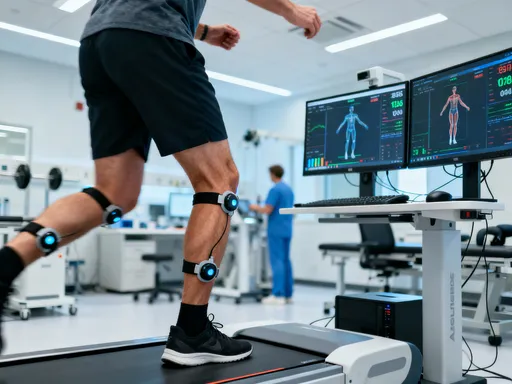
Modern tools make tracking more accessible than ever. Wearable devices, such as fitness bands, can monitor sleep duration and restlessness, heart rate variability, and daily step count. These metrics provide objective data that complements how you feel. Sleep trackers, for instance, can reveal whether you’re getting enough deep or REM sleep — stages critical for mental clarity and emotional regulation. Heart rate variability (HRV) is another useful indicator; higher HRV generally reflects better stress resilience and recovery. While no device is perfectly accurate, consistent use offers trends that are more valuable than isolated numbers.
Equally important are low-tech methods. A simple notebook or journal can be powerful. Recording energy levels on a scale of 1 to 10 each hour, noting meals, hydration, mood, and activities creates a rich dataset over time. Mood journals help link emotional states to energy — for example, recognizing that anxiety often precedes fatigue. Even brief check-ins, like pausing to ask “How do I feel right now?” three times a day, build body awareness. The goal is not perfection in tracking, but consistency. Over time, small data points form a clear picture of what supports your energy and what drains it. This self-knowledge becomes the foundation for lasting change.
My Tracking Experiment: What I Actually Did
My journey began with a simple decision: for four weeks, I would track everything that might affect my energy. I used a fitness band to monitor sleep and steps, and I kept a notebook by my bed to log daily entries. Each morning, I recorded how I felt upon waking — rested, groggy, alert. I noted the time I went to bed and woke up, along with any nighttime awakenings. Throughout the day, I rated my energy every three hours and jotted down meals, water intake, movement, and emotional moments. I also tracked screen time, especially in the hour before bed, and made a point to observe how I felt after different activities.
The first week was eye-opening. I discovered that while I thought I was sleeping seven to eight hours, my tracker showed frequent restlessness and only five hours of truly restful sleep. My energy dipped sharply at 3 p.m., but I hadn’t realized how closely this followed my afternoon coffee and a sugary snack. On days when I skipped breakfast, I felt increasingly irritable by mid-morning, even if I ate a healthy lunch. I also noticed that on mornings when I stepped outside for just ten minutes of natural light, my focus improved significantly. These were not dramatic revelations, but small, consistent patterns that had been invisible before.
The second and third weeks brought more clarity. I experimented with changes based on early observations. I replaced my afternoon coffee with herbal tea and added a ten-minute walk after lunch. I began drinking a glass of water first thing in the morning and carried a bottle throughout the day. I also set a digital curfew — no screens after 9 p.m. — and replaced them with reading or light stretching. The results were subtle at first, but by week four, I felt a noticeable difference. My afternoon crashes were less severe, my sleep felt deeper, and I no longer relied on caffeine to get through the day. The process wasn’t perfect — some days I forgot to log, and others I made poor choices — but the overall trend was clear: awareness led to better decisions.
What the Data Revealed: Key Energy Insights
After four weeks, I reviewed my notes and device data side by side. Several patterns stood out. First, dehydration was a major contributor to early fatigue. On days when I drank less than six glasses of water, my energy dropped by midday, and I experienced headaches and poor concentration. The physiological explanation is straightforward: water is essential for blood flow, nutrient delivery, and brain function. Even mild dehydration can reduce cognitive performance and increase feelings of tiredness. The solution was simple — prioritize hydration from the moment I woke up.
Second, short bursts of movement had a powerful impact. On days when I took a brief walk after meals, especially lunch, my afternoon focus improved. This aligns with research showing that light physical activity increases blood flow to the brain and helps regulate blood sugar. Unlike intense workouts, which sometimes left me drained, these short walks were sustainable and energizing. I also found that stretching in the morning helped wake up my muscles and improve circulation, making it easier to start the day with clarity.
Third, sleep consistency mattered more than total hours. While I aimed for eight hours, what really made a difference was going to bed and waking up at roughly the same time each day. Irregular bedtimes disrupted my circadian rhythm, leading to grogginess even after long sleep. Additionally, screen exposure before bed delayed sleep onset and reduced sleep quality. Blue light suppresses melatonin, the hormone that signals sleep, making it harder to fall and stay asleep. By reducing screen time and creating a calming pre-sleep routine, I improved both the ease of falling asleep and the depth of rest. These insights were not revolutionary, but they were personal — and that made them powerful.
Building a Sustainable Energy Routine
With these insights in hand, I began shaping a daily routine that supported my energy without adding stress. I focused on small, flexible habits that could adapt to changing schedules. Each morning started with a glass of water and five minutes outside in natural light. This simple act helped reset my circadian rhythm and boosted alertness. I also made breakfast non-negotiable — a balanced meal with protein, healthy fats, and complex carbohydrates to stabilize blood sugar.
Throughout the day, I scheduled short movement breaks — a five-minute stretch, a walk around the block, or even dancing to a favorite song with my kids. These moments of activity were not workouts, but energy resets. I also set reminders to drink water every hour, using a marked bottle to track intake. For meals, I focused on mindful eating — sitting down, chewing slowly, and avoiding screens. This improved digestion and prevented overeating, which often led to post-meal fatigue.
In the evening, I created a wind-down ritual. One hour before bed, I turned off bright lights and screens, switching to soft lighting and quiet activities like reading or journaling. I avoided heavy meals and caffeine after 2 p.m. On stressful days, I added a short breathing exercise to calm my nervous system. These practices were not rigid rules but guiding principles. Some days were better than others, but the overall pattern supported better sleep and more consistent energy. The key was consistency, not perfection.
Beyond Tracking: Making Energy a Lifestyle
After several months, tracking became less about data collection and more about awareness. I no longer needed to log every detail — I had developed what I call “energy literacy.” I could recognize the early signs of fatigue and respond before it took over. I knew when to rest, when to move, and when to eat. This awareness became a form of self-respect — a way of honoring my body’s needs rather than pushing through discomfort.
Sustainable energy is not about achieving constant high performance. It’s about balance, rhythm, and responsiveness. It’s understanding that some days will be slower, and that’s okay. The goal is not to eliminate fatigue, but to understand it and work with it. Over time, small wins built confidence. I felt more in control, more present, and more capable of handling daily demands. My relationships improved because I had more patience. My productivity increased because I had better focus. And most importantly, I felt like myself again.
For anyone struggling with low energy, I encourage you to start paying attention. You don’t need expensive tools or drastic changes. Begin with one habit — drink more water, step outside in the morning, or go to bed 15 minutes earlier. Track how you feel. Notice patterns. Adjust accordingly. And remember, if fatigue persists despite lifestyle changes, it’s important to consult a healthcare professional. Conditions like thyroid imbalances, anemia, or sleep disorders can contribute to exhaustion and require medical evaluation. Health tracking is a powerful tool, but it complements — not replaces — professional care. True energy comes from listening, learning, and living in tune with your body’s wisdom.