Why Experience Spending Wins in the New Economy
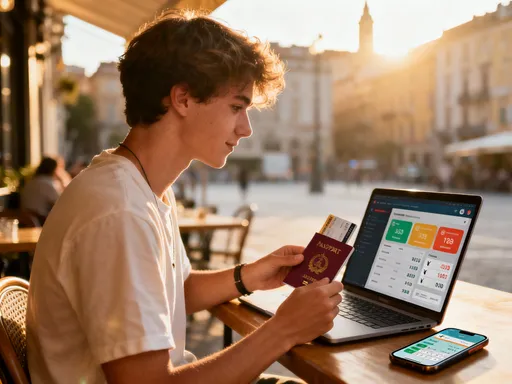
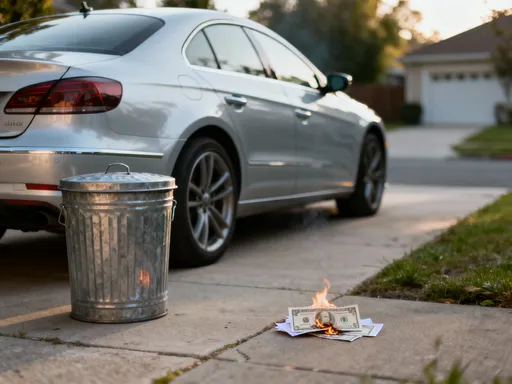
I used to think luxury meant owning more—bigger bags, newer gadgets, flashier cars. But after tracking my spending, I realized something surprising: the joy faded fast. The trips, concerts, and classes? Those memories stuck. Now, market trends confirm it—consumers are shifting from stuff to experiences. This isn’t just lifestyle fluff; it’s reshaping entire industries, from travel to entertainment. Let’s break down why this shift matters—and how smart investors are adapting. What we’re witnessing isn’t a temporary change in consumer habits but a fundamental reordering of value. People aren’t just spending differently; they’re defining happiness and success in new ways. As this transformation accelerates, it creates both risks and remarkable opportunities for those who understand its depth and durability.
The Rise of Experience Consumption: What’s Really Changing?
The global economy is undergoing a quiet but profound transformation: people are spending more on doing than having. This shift, often called the rise of the experience economy, reflects a growing preference for activities like travel, live events, wellness retreats, and skill-building workshops over physical goods. While ownership still matters, its emotional and social returns are diminishing compared to the lasting impact of shared moments. Data from the U.S. Bureau of Economic Analysis shows that service spending now accounts for over 65% of personal consumption expenditures, up from just under 60% two decades ago. In contrast, durable goods spending has remained relatively flat, even as production and availability have increased.
Several forces are driving this change. First, younger generations—Millennials and Gen Z—are prioritizing flexibility, authenticity, and personal growth over material accumulation. They are more likely to rent than own, stream rather than buy, and value access over possession. A 2023 Pew Research study found that 72% of adults under 40 would choose a vacation over a new luxury item if given the option. This isn’t just about limited budgets; it’s a deliberate choice rooted in identity and values. These consumers see experiences as investments in self-discovery, connection, and narrative—elements that can’t be captured by a product label.
Urbanization is another key factor. As more people live in compact cities, space becomes a premium. Large homes, garages, and storage units are no longer the norm, making it harder to accumulate physical goods. At the same time, city dwellers have greater access to curated experiences—from pop-up art installations to rooftop yoga classes—that turn everyday life into an adventure. This proximity to novelty fuels demand and supports business models built around temporary, immersive events. Additionally, digital fatigue plays a role. After years of screen-based interactions, people crave real-world engagement. The overabundance of online content has made physical presence more valuable, elevating the status of in-person gatherings and hands-on learning.
The retail sector’s struggles further illustrate this shift. Despite occasional rebounds, brick-and-mortar stores continue to face declining foot traffic and shrinking margins. Many traditional brands have responded by integrating experiences into their offerings—for example, hosting in-store workshops or creating interactive showrooms. These efforts are not just marketing gimmicks; they represent a survival strategy. Companies that fail to adapt risk irrelevance. Meanwhile, the service economy is expanding rapidly. Sectors like hospitality, entertainment, and education services are seeing sustained growth in revenue and employment. This isn’t a short-term bounce-back from pandemic restrictions; it’s a structural realignment in how value is created and consumed.
Why People Pay More for Moments Than Things
The shift toward experience spending isn’t just economic—it’s deeply psychological. Behavioral economists have long studied the difference between material and experiential purchases, and the results are consistent: experiences generate more lasting happiness. A landmark study by psychologists Thomas Gilovich and Amit Kumar found that while the excitement of buying a new item fades quickly, memories of experiences grow richer over time. This is partly because experiences are harder to compare. You can always find a slightly better phone or a cheaper handbag, but no one can take away your memory of hiking through the Swiss Alps or attending a live concert of your favorite band.
Moreover, experiences contribute more directly to personal identity. When people introduce themselves, they often describe what they’ve done rather than what they own. “I ran a marathon,” “I studied pottery in Portugal,” or “I saw the northern lights”—these statements carry emotional weight and social meaning. In contrast, saying “I bought a new watch” rarely sparks meaningful conversation. Experiences become stories, and stories build connection. They are shared, retold, and remembered, often gaining embellishment and warmth with each telling. This narrative quality makes them more resistant to regret and more likely to be viewed positively in hindsight.
Social media amplifies this effect. Platforms like Instagram and TikTok reward unique, visually engaging content, encouraging users to seek out photogenic moments. A well-composed image from a sunset cruise or a cooking class does more than document a moment—it signals taste, curiosity, and intentionality. While critics argue this leads to performative consumption, the underlying desire for authenticity remains strong. People don’t just want to look like they’re living well; they want to feel it. And experiences deliver that internal validation more reliably than possessions.
There’s also a practical side to this preference. Physical goods depreciate. They break, go out of style, or become obsolete. Experiences, on the other hand, don’t lose value over time—they often gain it. Think of a wine-tasting tour in Napa Valley. The knowledge gained, the flavors experienced, and the people met become part of a personal archive that can be drawn upon for years. Even if the event had a high upfront cost, its long-term emotional return is substantial. This perceived durability makes experiences feel like a better use of limited financial resources, especially for families managing tight budgets and seeking meaningful ways to spend time together.
Market Signals: Where Investment Opportunities Are Emerging
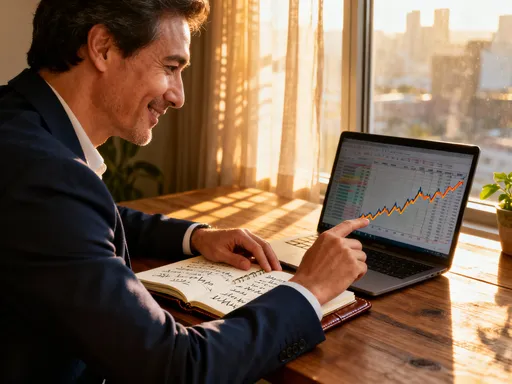
As consumer demand shifts, capital is following. Investors who recognize this trend early are positioning themselves in sectors poised for long-term growth. One of the clearest beneficiaries is the travel and hospitality industry, particularly in the premium and experiential segments. Luxury travel brands that offer personalized itineraries, small-group tours, and cultural immersion are seeing record bookings. These aren’t just vacations; they’re curated journeys designed to create transformation. For example, companies specializing in wellness retreats—combining yoga, meditation, nutrition, and nature immersion—have reported double-digit annual growth over the past five years, with high customer retention rates.
Another fast-growing area is experiential retail. Traditional shopping malls are declining, but spaces that blend commerce with engagement are thriving. Think of a bookstore that hosts author talks and writing workshops, or a sporting goods store that organizes weekend hiking trips. These hybrid models increase customer loyalty and average spending per visit. Brands like REI and Lululemon have mastered this approach, using community-building to deepen relationships beyond the transaction. Their success isn’t just about selling products; it’s about creating belonging. This emotional connection translates into predictable revenue and pricing power, two qualities investors value highly.
The entertainment sector is also evolving. Immersive experiences—such as escape rooms, themed dining, and augmented reality exhibits—are attracting large audiences, particularly in urban centers. These attractions often operate on a ticket-based model with low marginal costs, allowing for strong profit margins once initial setup costs are covered. Some companies have even franchised their concepts globally, proving the scalability of experience-based entertainment. Similarly, the rise of subscription-based fitness and learning platforms shows how recurring engagement can be monetized. From boutique cycling studios to online language apps with live coaching, these services combine convenience with human interaction, offering a middle ground between digital and physical worlds.
Investors should also look at indirect plays. Payment processors that specialize in event ticketing, reservation systems, or experience marketplaces are seeing increased transaction volumes. Technology providers that enable virtual reality tours, digital booking engines, or customer relationship management for service businesses are also well-positioned. These behind-the-scenes enablers often have higher margins and less direct exposure to consumer volatility than frontline operators. By investing in the infrastructure of the experience economy, savvy investors can gain exposure without taking on the full operational risks of running venues or tours.
Hidden Risks in the Experience Economy
Despite its promise, the experience economy comes with unique challenges. One of the most significant is seasonality. Many experience-based businesses—especially in travel and outdoor recreation—rely on peak periods for the majority of their revenue. A ski resort, for example, may earn 70% of its annual income in just three months. This concentration creates cash flow pressures and makes long-term planning difficult. Businesses must either diversify their offerings year-round or build substantial reserves to survive off-seasons. For investors, this means evaluating not just growth rates but also revenue stability and working capital management.
Labor intensity is another concern. Unlike software companies that scale with minimal headcount increases, experience providers often need more staff as they grow. A cooking class, a guided tour, or a wellness session requires human facilitators. This makes cost control harder and exposes businesses to wage inflation and staffing shortages. The pandemic highlighted this vulnerability, as many experience-based companies struggled to rehire when demand returned. Even now, labor markets in hospitality and leisure remain tight in many regions, putting pressure on margins. Investors should assess how companies manage labor efficiency—through training, technology, or pricing strategies—before committing capital.
Event cancellations and external disruptions are also a real threat. Natural disasters, public health crises, or geopolitical tensions can shut down operations overnight. Unlike physical goods, which can be stored and sold later, unused experiences have no salvage value. A missed concert or a canceled retreat represents pure revenue loss. Some companies mitigate this with flexible booking policies or insurance, but these add cost and complexity. Additionally, regulatory hurdles can slow expansion. Zoning laws may restrict pop-up venues, health codes can limit food-related events, and licensing requirements vary widely for guided tours or wellness services. These barriers increase time-to-market and compliance costs, particularly for national or international scaling.
Finally, economic sensitivity remains a key risk. Experiences are often discretionary spending, meaning they’re among the first cuts when households tighten budgets. During recessions, people may skip vacations, delay concerts, or cancel memberships. This makes the sector more volatile than essential services or staple goods. However, not all experiences are equally vulnerable. Local, lower-cost options—like community classes or weekend hikes—tend to be more resilient than high-end international travel. Investors should differentiate between premium and accessible segments when assessing risk exposure.
How to Spot Winners in This Space
Given these dynamics, how can investors identify strong performers in the experience economy? The answer lies in a few key metrics and qualitative factors. First, customer unit economics matter. A company should generate more lifetime value from each customer than it spends to acquire them. For example, a $200 marketing cost is justified if the average customer spends $1,000 over several bookings. This ratio indicates sustainability and growth potential. High customer acquisition costs with low retention, on the other hand, signal trouble.
Retention and churn rates are equally important. A low churn rate—meaning customers keep coming back—is a sign of strong product-market fit. Subscription-based models, in particular, benefit from predictable revenue and compounding value. But even non-subscription businesses can achieve loyalty through exceptional service, community engagement, or tiered membership programs. Investors should look for companies that report repeat visit rates or customer satisfaction scores, as these are leading indicators of long-term success.
Pricing power is another red flag for strength. Can the company raise prices without losing customers? Businesses with strong brands, unique offerings, or high switching costs can do this more easily. For instance, a specialized adventure tour operator with a loyal following may increase fees by 5% annually without affecting demand. This ability to grow revenue organically, rather than through constant customer acquisition, improves margins and reduces risk.
Brand strength and community building are harder to measure but just as critical. Companies that foster emotional connection—through storytelling, shared values, or user-generated content—create defensible moats. Think of outdoor brands that host customer meetups or fitness studios that celebrate member milestones. These efforts turn customers into advocates, reducing marketing costs and increasing resilience. When evaluating a company, ask: Do people talk about it with passion? Do they return even when cheaper alternatives exist? If the answer is yes, you may have found a winner.
Building a Resilient Portfolio Around Lifestyle Shifts
Diversification remains the cornerstone of sound investing, and the experience economy offers a compelling addition to a balanced portfolio. Rather than betting on a single company or sector, investors can gain exposure through multiple channels. Direct investments in experiential brands—such as travel platforms, fitness chains, or entertainment venues—provide upside when consumer spending is strong. But indirect exposure can offer stability. Financial technology firms that process payments for event tickets, reservation systems, or membership platforms benefit from the sector’s growth without bearing the same operational risks.
Technology enablers are another smart play. Companies that develop software for customer engagement, booking automation, or virtual experiences are positioned to serve a wide range of industries. As more businesses adopt hybrid models—combining physical and digital elements—these tools become essential. Their recurring revenue models and high margins make them attractive, especially in a rising interest rate environment where profitability matters more than growth at all costs.
Geographic diversification also helps. While urban centers lead in experience consumption, smaller cities and rural areas are catching up. Staycation trends, local agritourism, and community-based events are growing in popularity, driven by deurbanization and a desire for slower living. Investors who look beyond major metros can find early-stage opportunities with lower competition and strong local support. Additionally, international exposure can balance regional economic cycles. A downturn in one country may be offset by growth in another, especially if the offering has cross-cultural appeal.
The key is to focus on structural trends rather than short-term fads. The desire for meaningful connection, personal growth, and real-world engagement isn’t going away. By aligning investments with these enduring human needs, investors can build portfolios that are not only profitable but also resilient to change.
The Bigger Picture: What This Means for the Future of Spending and Investing
The rise of experience spending is more than a market shift—it’s a reflection of deeper societal changes. People are reevaluating what it means to live well. In an age of information overload and material abundance, attention and time have become the scarcest resources. Experiences command both, making them inherently more valuable. This isn’t a rejection of comfort or convenience; it’s a search for depth, connection, and authenticity.
For investors, this means rethinking traditional metrics of value. Revenue growth and profit margins still matter, but so do customer satisfaction, emotional resonance, and brand loyalty. Companies that understand the human side of spending—that design not just products but moments—are more likely to thrive. The most successful businesses will be those that create not just transactions, but transformations.
Looking ahead, the experience economy will continue to evolve. Hybrid models that blend physical and digital elements will become more common. Virtual reality may allow people to preview travel destinations or attend remote workshops, enhancing accessibility. At the same time, the demand for genuine human connection will keep in-person experiences irreplaceable. The future belongs to those who can deliver both.
Ultimately, the shift from stuff to experiences is not just about how we spend money—it’s about how we spend our lives. And for investors who recognize this truth, the opportunity is not just financial, but profoundly human.