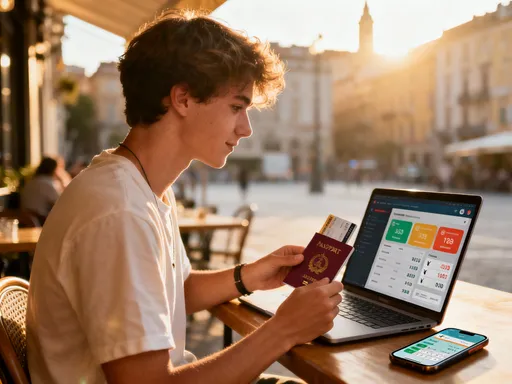
How I Cracked the Code on Funding My Exchange Year—No Stress, Just Smart Tools
Studying abroad sounded like a dream—until I saw the costs. Between flights, tuition, and daily expenses, my exchange program felt out of reach. But instead of giving up, I dug into financial tools that actually work. From budgeting apps to smart currency swaps, I found real solutions that saved me time and money. This is how I turned financial stress into confidence—without risky bets or false promises. What I discovered wasn’t magic, but method: a structured, practical approach that any student can follow. The journey wasn’t about cutting corners or taking shortcuts. It was about clarity, consistency, and using the right tools to make financial decisions easier, not harder. And the best part? These tools don’t just help during your exchange—they lay the foundation for lifelong financial health.
The Exchange Student Budget Trap: What No One Tells You
Many students begin their exchange journey believing that tuition and airfare are the only major expenses they need to plan for. They assume scholarships, family support, or part-time jobs back home will cover the rest. While these resources help, they rarely account for the full financial reality of living abroad. Hidden costs—often overlooked in program brochures or casual conversations—can quickly accumulate and derail even the most optimistic budgets. Things like international transaction fees, housing deposits, utility setup charges, visa application costs, and emergency medical expenses are common but frequently underestimated. A student might budget $1,500 for monthly living costs, only to discover that a $50 bank fee on each transfer and a $200 security deposit for housing reduce that buffer faster than expected.
Another overlooked factor is the psychological cost of financial uncertainty. When students don’t have a clear picture of their total spending, they often resort to reactive decision-making. This can lead to cutting back on essential experiences—like travel, cultural events, or even nutritious meals—just to stay afloat. In some cases, financial strain becomes so overwhelming that students cut their programs short or return home early, missing out on both academic and personal growth. The root of this problem isn’t lack of money—it’s lack of planning. Traditional budgeting methods, like static spreadsheets or handwritten notes, often fail in dynamic international environments where exchange rates shift, spending patterns change, and unexpected costs arise without warning.
Understanding the full scope of exchange-related expenses is the first step toward gaining control. This includes not just predictable costs like rent and groceries, but also variable and emergency expenses. For example, a sudden flight change due to weather or family emergencies can cost hundreds in rebooking fees. Similarly, replacing a lost phone or laptop abroad can set a student back more than a week’s worth of meals. By mapping out both fixed and flexible costs in advance, students can build more resilient budgets. The goal isn’t perfection—it’s preparedness. When you know what you’re up against, you’re no longer reacting to surprises; you’re managing them with confidence. This awareness transforms financial planning from a source of anxiety into a tool for empowerment.
Budgeting Reimagined: Tools That Actually Fit Student Life
Most students have tried budgeting at some point—perhaps with a spreadsheet, a notebook, or a simple calculator. Yet, these methods often fall apart within weeks. Why? Because they rely heavily on manual input, constant discipline, and perfect consistency—qualities that are hard to maintain during the unpredictable rhythm of student life abroad. Between new classes, language barriers, social events, and homesickness, tracking every coffee or bus fare becomes a chore, not a habit. The real breakthrough in financial management doesn’t come from willpower; it comes from designing systems that work with your lifestyle, not against it. This is where modern digital budgeting tools make a difference.
Today’s best budgeting apps go beyond basic number-crunching. They sync directly with bank accounts and credit cards, automatically categorizing transactions in real time. Whether you’re buying groceries in Berlin or paying for a train ticket in Tokyo, the app updates instantly, giving you a live view of your spending. This automation removes the burden of manual entry and reduces errors. More importantly, these tools adapt to the realities of international life. They adjust for fluctuating exchange rates, track spending across multiple currencies, and even offer offline access for areas with limited connectivity. Some apps allow users to set monthly or weekly spending limits for categories like dining, transportation, or entertainment, sending alerts when thresholds are near. These features turn budgeting from a passive record into an active guide.
Another powerful aspect of these tools is their ability to support goal-based planning. Instead of just tracking where money goes, students can set targets—like saving for a weekend trip or building an emergency fund—and watch their progress in real time. The app breaks down how much to save each week and celebrates milestones, creating a sense of achievement. This psychological reinforcement helps maintain motivation, especially during tough weeks. Additionally, many apps integrate with student banking services, allowing seamless transfers, bill payments, and balance checks—all from a single interface. The result is a financial co-pilot that reduces stress and increases control. When budgeting feels effortless, it’s more likely to stick. And when it sticks, it transforms from a short-term fix into a long-term skill.
Taming the Currency Beast: Smarter Ways to Transfer and Spend
One of the biggest financial drains for exchange students isn’t tuition or rent—it’s currency conversion. Every time a student uses a credit card, withdraws cash from an ATM, or sends money back home, they risk losing money to poor exchange rates and hidden fees. Traditional banks often charge high margins on currency conversion, sometimes adding 3% to 5% on top of the market rate. These fees compound over time, quietly eroding savings. A student who transfers $2,000 monthly could lose $60 to $100 in unnecessary charges—money that could cover a month of groceries or a round-trip train ticket. The problem isn’t just cost; it’s transparency. Many students don’t realize they’re being overcharged because the fees are buried in complex pricing structures.
The solution lies in digital financial platforms designed for international use. These services offer near-real-time exchange rates with minimal markups, often passing on savings to users. Unlike traditional wire transfers, which can take days and cost $30 or more per transaction, these platforms complete transfers in minutes for a fraction of the price. Some even allow users to lock in favorable rates for future transfers, protecting against sudden market shifts. By using these tools, students gain more control over their money and reduce the financial friction of living abroad. The key is to compare not just transfer fees, but also the exchange rate quality and speed of service.
Another effective strategy is using multi-currency accounts or prepaid travel cards. These tools let students hold and spend money in different currencies without converting back and forth each time. For example, a student studying in France but traveling to Spain can load euros and pay in local currency without incurring extra fees. Some cards offer fee-free ATM withdrawals up to a certain limit, further reducing costs. These accounts also provide a layer of security—since they’re not linked directly to home bank accounts, losing a card doesn’t mean losing access to all funds. Over the course of a semester, switching from traditional banking to smarter currency tools can save hundreds of dollars. More importantly, it reduces stress. Knowing you’re getting a fair rate and avoiding surprises makes financial management more predictable and less intimidating.
Earning While Learning: Realistic Side Income for Exchange Students
While studying abroad, many students assume they can’t earn money due to visa restrictions or academic demands. While it’s true that full-time work is often off-limits, that doesn’t mean income generation is impossible. With careful planning and the right tools, students can create small but meaningful income streams that help offset daily expenses. The goal isn’t to get rich—it’s to gain breathing room. Even an extra $100 to $200 per month can cover phone bills, transportation, or occasional meals out, reducing reliance on savings or family support. The key is choosing flexible, legal, and low-time-commitment opportunities that align with student life.
One of the most accessible options is online tutoring. Students fluent in their native language or strong in subjects like math, science, or music can teach remotely via video platforms. Sessions can be scheduled during evenings or weekends, fitting around class schedules. Similarly, freelance writing, graphic design, or social media management can be done from anywhere with an internet connection. Many students leverage skills they already have—like photography or language translation—to take on small gigs through global freelance marketplaces. These platforms handle payments securely and often support multiple currencies, making it easy to transfer earnings back home or use them locally.
Campus-adjacent opportunities also exist. Some universities hire exchange students for part-time roles like library assistants, event coordinators, or language partners. These positions are usually light on hours and high on flexibility, designed to accommodate academic priorities. Others find work in local cafes, bookstores, or cultural centers, especially in cities with high tourist traffic. The important thing is to ensure any job complies with local visa rules and doesn’t interfere with academic performance. Tools that automate invoicing, track hours, and manage cross-border payments make it easier to stay organized. Over time, these small earnings add up—not just in money, but in confidence. Earning while abroad teaches responsibility, time management, and financial independence, skills that last far beyond the exchange year.
Shielding Your Funds: Risk Control Beyond Just Saving
Studying abroad introduces new financial risks that don’t exist at home. Lost wallets, stolen cards, medical emergencies, or sudden travel disruptions can all lead to unexpected costs. While saving money is important, true financial security comes from protecting what you have. This is where risk control tools become essential. Unlike speculative investments or high-risk strategies, these methods focus on prevention—minimizing losses before they happen. They don’t promise big returns, but they provide peace of mind, which is invaluable when living in an unfamiliar environment.
One of the most effective protective measures is comprehensive travel insurance with financial coverage. Beyond medical benefits, some policies include reimbursement for trip cancellations, lost luggage, or emergency cash advances. Students should look for plans that cover financial emergencies, such as a sudden need to return home due to family illness. Another layer of protection comes from using digital wallets with built-in fraud monitoring. These services detect unusual spending patterns and can freeze transactions in real time, reducing the risk of unauthorized charges. Many also offer instant card replacement and temporary virtual cards for online purchases, adding extra security.
Equally important is building an emergency fund—separate from daily spending money. This fund should cover at least one to two months of essential expenses and be stored in a way that’s accessible but not too easy to dip into. Some students use a dedicated savings account with withdrawal delays, while others split funds across two accounts—one local, one at home—so they always have a backup. Micro-insurance options, such as app-based short-term coverage for specific events, can also provide targeted protection without high premiums. Together, these tools create a financial safety net. They don’t eliminate risk, but they reduce its impact. And in the world of personal finance, minimizing loss is often more valuable than maximizing gain.
The Psychology of Spending Abroad: Why Tools Beat Willpower
Even the most disciplined students can fall into spending traps when adjusting to life abroad. Culture shock, loneliness, and the excitement of a new environment often lead to emotional spending. A student might treat themselves to an expensive meal after a tough day, buy souvenirs to feel connected, or pay for convenience—like taxis instead of public transit—just to reduce stress. These choices are understandable, but over time, they erode budgets. The problem isn’t lack of self-control; it’s the absence of supportive systems. Relying solely on willpower to manage spending is like trying to swim against a strong current—it’s exhausting and unsustainable.
Smart financial tools help by creating structural guardrails that reduce the need for constant decision-making. For example, setting up automatic transfers to a savings account ensures money is set aside before it can be spent. Similarly, spending limits with notification delays give users a cooling-off period before large purchases go through. Some apps even allow users to pause certain categories—like dining out or shopping—for a set time, helping reset habits after a period of overspending. These features don’t eliminate choice; they make better choices easier.
Another powerful psychological benefit is visibility. When spending is transparent—when every transaction is tracked and categorized—students become more aware of their habits. This awareness often leads to natural corrections. Seeing how much was spent on coffee in a month might prompt a switch to making drinks at home. Recognizing a pattern of late-night online shopping could lead to setting screen time limits. The tools don’t judge; they inform. And with better information comes better decisions. Over time, this builds financial confidence. Students learn that they don’t need perfect discipline to succeed—they need a system that supports their goals. And once that system is in place, healthy financial behavior becomes less about effort and more about routine.
Building Financial Confidence: Long-Term Gains from Short-Term Discipline
The benefits of mastering financial tools during an exchange year extend far beyond the semester abroad. What starts as a practical solution to immediate challenges becomes the foundation for lifelong financial health. Students who learn to budget with digital apps, transfer money wisely, earn side income responsibly, and protect their funds develop habits that pay dividends for decades. They gain not just money management skills, but also confidence in their ability to handle complexity, adapt to change, and make informed decisions under uncertainty. These are qualities that matter in every stage of life—from starting a career to buying a home to planning for retirement.
One of the most valuable outcomes is increased financial literacy. By navigating real-world challenges like currency conversion and international banking, students build practical knowledge that textbooks can’t teach. They learn to read fee structures, compare financial products, and understand the true cost of transactions. This awareness makes them smarter consumers and more cautious investors in the future. They’re less likely to fall for misleading offers or high-fee services because they’ve already seen how small costs add up. They also develop a stronger sense of credit responsibility, having managed accounts and payments across borders.
Moreover, the discipline built during this period fosters long-term decision-making skills. Students learn that short-term sacrifices—like skipping a pricey tour or cooking at home—can lead to greater freedom later. This mindset shift—from immediate gratification to delayed reward—is at the heart of financial success. It applies not just to money, but to time management, career planning, and personal goals. The exchange year, therefore, becomes more than an academic experience. It becomes a real-world financial training ground—a place where resilience, resourcefulness, and responsibility are forged through daily choices. And when students return home, they don’t just bring memories and friendships. They bring a quiet, lasting confidence: the knowledge that they can navigate uncertainty, manage their resources, and thrive in any environment.